How to Use an Air Purifier in a Bedroom for Better Sleep
Use 1 bedroom air purifier , place it so the airflow is open, and run it on low or night mode for sleep. In How to Use an Air Purifier in a Bedroom for…
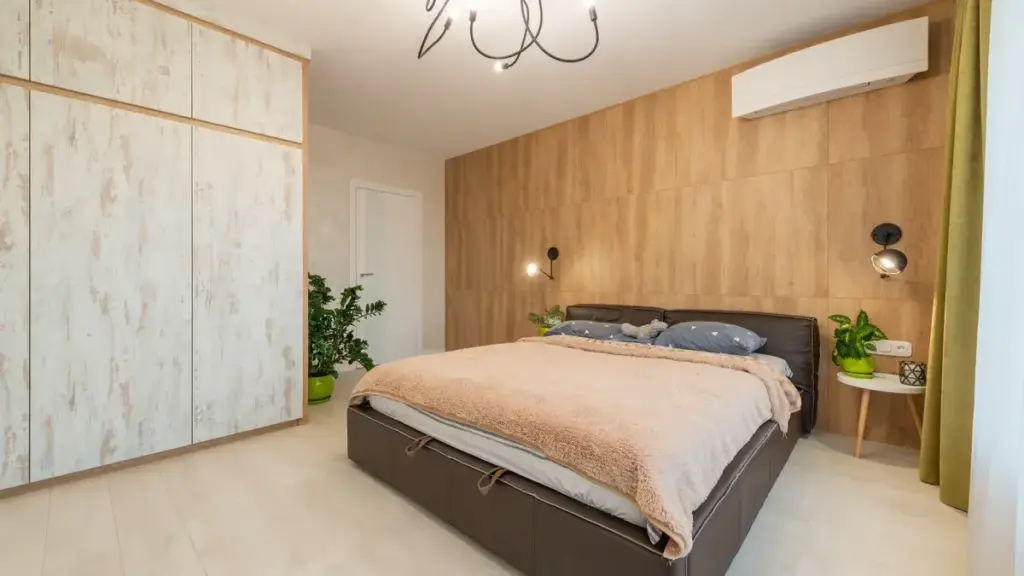
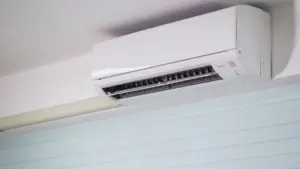
Modern bedroom with a bed and a wall-mounted air purifier
Last updated: November 27, 2026
Quick answer: use 1 bedroom air purifier, place it so the airflow is open, and run it on low or night mode for sleep. In How to Use an Air Purifier in a Bedroom for Better Sleep, the goal is simple: clean the air you breathe most, without adding noise that keeps you awake. Place it away from the bed enough that airflow is not aimed at your face, then keep the filter clean so it can keep doing its job.
Key takeaways
- A bedroom air purifier should clean the air without becoming part of your sleep problem.
- Night mode is useful because it lowers light and usually reduces fan speed.
- Placement matters less than steady airflow, but the unit should not blow directly at the bed.
- Clean filters and a closed bedroom door help the purifier do more with less effort.
- If the purifier sounds harsh, rattles, or flashes bright lights, it is working against sleep, not for it.
- EPA guidance on home air cleaners and filters can help you choose a sensible setup: https://www.epa.gov/indoor-air-quality-iaq/air-cleaners-and-air-filters-home
How should I set up a bedroom air purifier?
Set it up so the room air can circulate, the light stays dim, and the fan does not aim straight at the bed. That usually means putting the unit on the floor or a low, stable surface in the bedroom, then using night mode or a low fan setting once you are ready to sleep.
Start with the room itself. Close the bedroom door if possible, because a closed room is easier to clean than one connected to the whole house. Keep windows closed on nights when outside air quality is poor, dusty, or smoky. If you want the purifier to work as a sleep tool rather than a whole-home cleaner, treat the bedroom like its own air space and, if you are unsure about layout or ventilation, consult the manufacturer’s manual or a qualified HVAC professional. The EPA’s home air-cleaner guide is a good starting point: https://www.epa.gov/indoor-air-quality-iaq/air-cleaners-and-air-filters-home
The purifier should be on before you get into bed, not only after you are already trying to sleep. Give it time to move air through the room before lights out. A few minutes is often enough to settle the room into a steady rhythm, even though the exact time depends on room size, the purifier’s output, and how dirty the air is.
Here is a simple setup order that works well for most bedrooms:
- Put the purifier in the bedroom before bedtime, not in the hallway. The result is cleaner air where you sleep instead of hoping bedroom air drifts in.
- Place it on a firm surface with open space around the intake and outlet. If the manual gives placement rules, follow them; that helps airflow and can reduce the chance of the unit pulling in curtains, bedding, or dust from a tight corner.
- Keep it out of the direct line of the bed. You want moving air in the room, not a stream aimed at your face or chest.
- Turn on night mode or the lowest setting that still moves air. That usually reduces light and keeps the room calmer.
- Let it run through the night if noise is not a problem for you. The benefit is ongoing filtration while dust, dander, and other particles stay suspended.
- Check the filter reminder or the filter itself on the schedule the manufacturer gives. A clogged filter can make the unit louder and less effective.
The EPA’s guide to air cleaners and filters for the home is a good place to start if you want a plain-language overview of filter types and room use: https://www.epa.gov/indoor-air-quality-iaq/air-cleaners-and-air-filters-home
Where in the bedroom should it go?
The right bedroom spot is the one that keeps airflow open, keeps noise away from your head, and avoids blocked vents. That is usually not the tight corner by the nightstand, and it is not hidden behind curtains or shoved under hanging clothes.
A common mistake is to place the purifier too close to the bed because it seems like the air should be cleaner there. In practice, a purifier needs space to move room air. If the intake is crowded by the wall, bedding, or a dresser side, the unit can work harder and sound worse. If the outlet points at the pillow, the breeze can feel distracting, especially for light sleepers.
Think in terms of the whole room, not a single spot. Bedroom air purifier use works best when the unit can pull in room air and send it back out without hitting obstacles. If your room is small, a central spot may help more than a hidden corner. If the room is larger, the unit may need a more open location so it can reach more of the air you breathe overnight.
A practical rule is to keep the purifier in the same room as your bed, but not right against it. If you wake up dry, cold, or annoyed by airflow, move it farther from the bed and lower the fan speed before assuming the purifier is the problem. Often the placement is the issue, not the machine itself.
This is also where room layout matters. If the bedroom has a fan, an open doorway, or a vent that blasts air across the bed, the purifier should not fight those flows. The cleaner air will be less useful if the rest of the room keeps stirring dust and blowing it around.
Which settings are best at night?
Night mode or a low fan setting is usually best at night because it keeps light and noise down while still filtering the room. The right setting is the one you can sleep through without feeling like the purifier is drawing attention to itself.
A purifier at full power is not always the best answer for a bedroom. High speed can move more air, but it can also make the room feel busy and louder than sleep likes. For many people, the better sleep choice is a steady low setting through the night and a stronger setting earlier in the evening if the room needs a quick clean before bed.
If your purifier has a night mode, use it. That setting often dims indicators and lowers the fan to a more sleep-friendly level. If there is no night mode, use the lowest setting that still keeps air moving. If the control panel glows too brightly, cover only the light portion if the manual allows it, or turn the unit so the display does not face the bed.
Filter settings matter too. Use the filter and mode the manufacturer intended for the unit, and replace or clean filters on schedule. A dirty filter can make the purifier sound rougher and work less efficiently. That can turn a helpful bedroom tool into a noisy box that interrupts sleep.
One honest trade-off: a quieter setting may clean the air more slowly than a stronger one. If you have a short bedtime window, run a higher setting earlier in the evening, then switch to night mode when you get into bed. That gives you a better balance between air cleaning and sleep comfort.
What mistakes ruin sleep?
The biggest mistakes are too much noise, too much light, and bad placement. Those three problems can cancel out the sleep benefit even when the purifier is technically cleaning the air.
A purifier that hums, rattles, or clicks can keep a light sleeper alert. A bright display can do the same, especially in a dark room. A fan pointed at the bed can make the air feel chilly or dry, even if the room itself is comfortable. Each of these problems has a simple cost: more awakenings, longer time falling asleep, or a bed that feels less restful than before.
Another mistake is waiting until the room feels stuffy before turning the purifier on. Air cleaning is better when it starts before bedtime and continues through the night. If the purifier only runs after the room already feels off, you lose the steady background effect that makes it most useful.
A third mistake is ignoring the filter. A clogged filter can slow airflow and make the machine louder. It can also leave you thinking the purifier “does nothing,” when the real issue is maintenance. Follow the manufacturer’s filter schedule and check the unit sooner if you live with pets, dust, or heavy use.
Here is a quick comparison of bedroom setup choices:
| Setup choice | Sleep effect | Trade-off |
|---|---|---|
| Night mode | Least disruptive for most people | May clean more slowly than higher speeds |
| Low fan all night | Quiet and steady | May not clear the room as fast after a dusty day |
| High fan before bed, low at night | Good balance of cleaning and quiet | Takes a little planning |
| Directly beside the bed | Strong nearby airflow | Can feel distracting and may keep you awake |
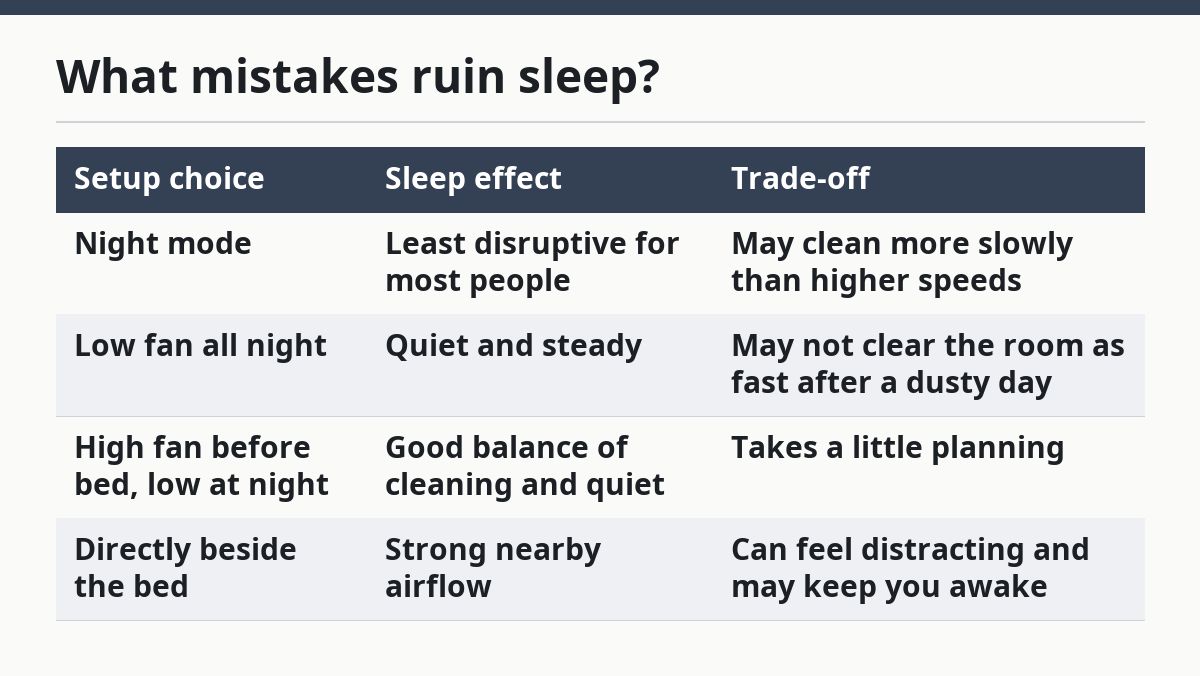
The point is not to chase the strongest setting. It is to keep the bedroom calm enough that the purifier fades into the background.
When should you run it all night?
Run it all night if the room stays comfortable and the sound does not wake you. That is the simplest answer for most bedroom use, because steady filtration through sleep is the point of having the unit in the bedroom at all.
An all-night run makes sense when the bedroom is closed, the filter is clean, and the fan setting is low enough to ignore. It also makes sense if you wake up congested or notice dust, pet hair, or odors in the room by morning. In those cases, the purifier can keep working while you sleep instead of stopping halfway through the job.
Do not run it all night if the purifier keeps you alert, flashes light across the room, or creates a direct draft on your face. Sleep quality matters more than the idea of constant filtration. If the purifier is too noticeable, adjust the setting first, then move it farther from the bed if needed.
A useful middle ground is to run it on a stronger setting for part of the evening, then switch to night mode once you are settled. That way the room gets a stronger clean before sleep, but the bedroom stays quiet overnight. This approach is often easier for people who are sensitive to sound.
If you use a bedroom air purifier as part of a sleep routine, think of it as background support, not a cure-all. It can improve the air in the room, but it does not replace clean bedding, a tidy floor, or basic sleep habits. For broader help with air quality problems and what to do, the main hub on this site covers the bigger picture: /indoor-air-quality/ and /sleep-hygiene/.
What makes it a sleep-friendly choice?
A sleep-friendly purifier is one that cleans the air without asking for attention. That means low light, low noise, steady airflow, and a filter you can keep up with.
Look for three signs that the setup is working. First, you can fall asleep without noticing the unit. Second, the room feels calmer by morning instead of stale or dusty. Third, the purifier does not need constant fiddling. If you keep changing settings every night, the setup is not settled yet.
A bedroom purifier is not the right fit for every person. If you are extremely sensitive to sound, even a low fan may be too much. If your room is already very quiet and you do not have dust, smoke, pets, or allergy triggers, you may not notice a dramatic change. That does not mean the purifier is useless; it means the benefit may be subtle.
The best use is simple: place it where it can move room air, choose the quietest mode that still works, and let it run consistently. That is enough for most bedrooms. You do not need a complicated routine to get a better sleep setup from it.
Should I run my air purifier all night?
Yes, if the sound and light do not disturb your sleep. An all-night run lets the purifier clean the bedroom air while you are asleep, which is the most useful time for it to work in a closed room. If low fan or night mode still feels annoying, run it before bed and switch it lower once you are settled.
How far should an air purifier be from my bed?
It should be close enough to clean the room, but not so close that it blows directly on you or crowds the bed. A few feet of open space is usually better than tucking it beside the pillow. The main goal is open airflow and a calm sleep feel, not maximum proximity.
Is an air purifier good for sleep?
Yes, if bedroom air is part of what disturbs your sleep. Cleaner air can help the room feel fresher and may reduce distractions from dust, dander, or odors. It works best when the unit is quiet, dim, and set up so it does not create its own sleep problem.
Drafted with AI; not yet reviewed by a person.




1 thought on “How to Use an Air Purifier in a Bedroom for Better Sleep”