Air Purifier Features That Matter for Mold and Humidity-Prone Rooms
For mold and humidity-prone rooms, the best purifier setup is usually a true HEPA unit sized for the room, plus a dehumidifier if moisture is the problem.…
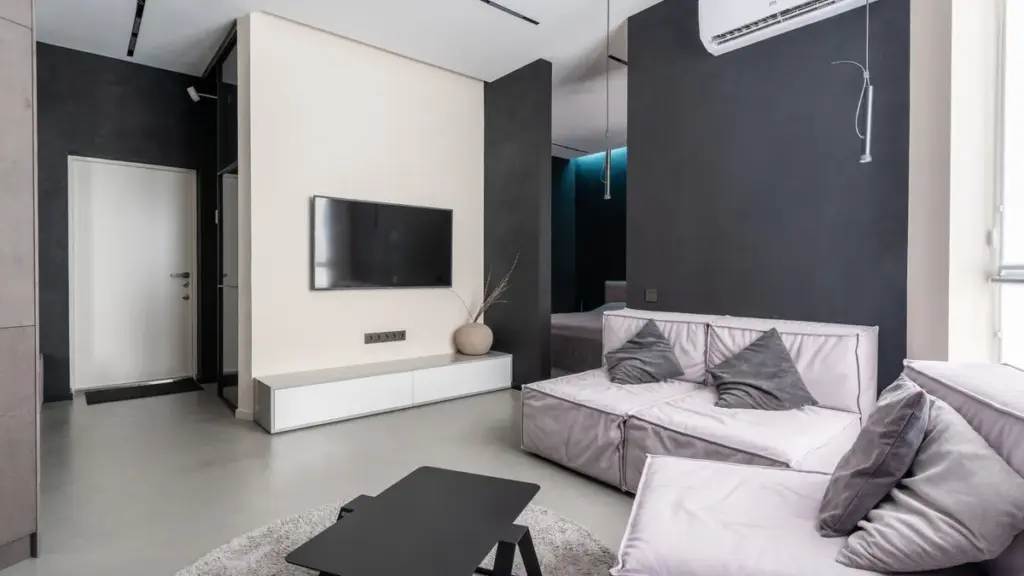
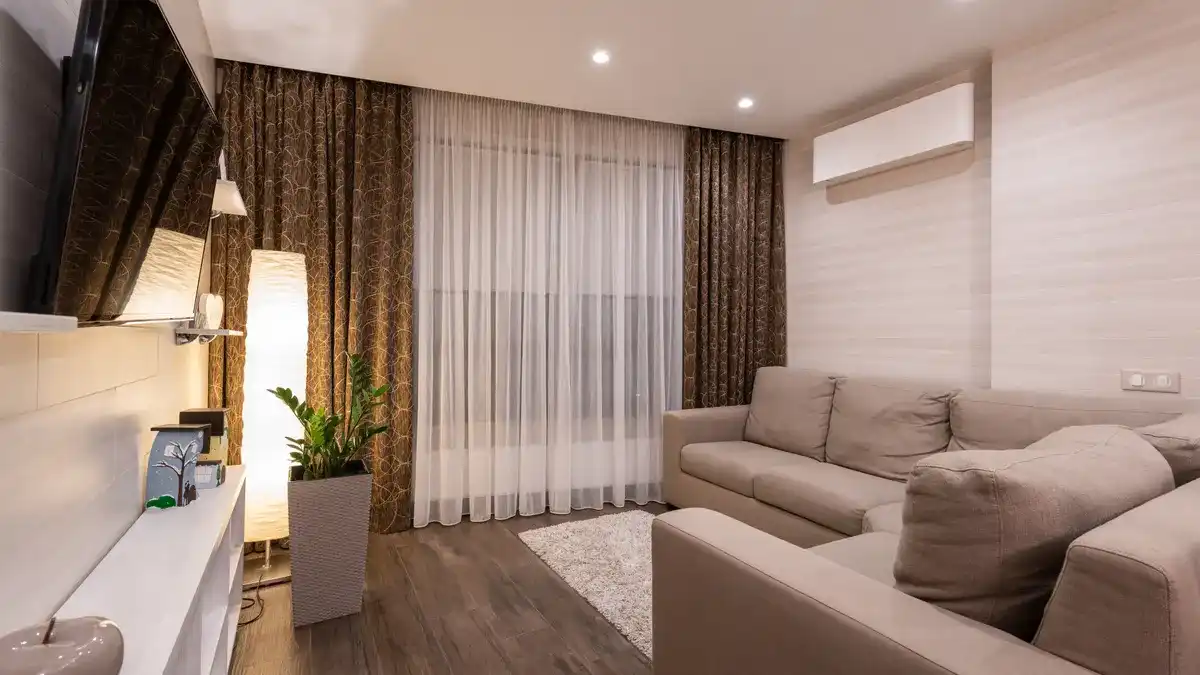
Living room with a wall-mounted air conditioner
Last updated: November 27, 2026
Quick Answer: For mold and humidity-prone rooms, the best purifier setup is usually a true HEPA unit sized for the room, plus a dehumidifier if moisture is the problem. In this guide on Air Purifier Features That Matter for Mold and Humidity-Prone Rooms, the practical target is a purifier that can trap airborne spores while humidity stays under control.
Key takeaways
- True HEPA matters more than flashy modes when the goal is catching mold spores.
- Room size and air circulation shape results more than extra filters or app controls.
- A dehumidifier and an air purifier solve different problems, and humid rooms usually need both.
- Bathrooms and basements need different strengths of filtration and moisture control.
- A purifier is useful for airborne spores, but it does not remove mold on walls, grout, or ceilings.
What features matter most for mold?
A true HEPA filter matters most because it is the core feature that helps trap mold spores floating in the air. Mold spores are tiny, and a purifier without a true HEPA filter is a weaker choice for this job, even if it has many marketing claims. The filter should be the first thing checked, not the extra modes.
Room coverage matters next. A purifier that is too small for the space will keep recirculating air without cleaning it well enough, especially in a basement with closed doors or a bathroom with poor ventilation. If the unit is meant for a damp room, the coverage should match the actual room size rather than the biggest number on the box.
Fan speed also matters because mold-prone rooms need active air movement. A purifier on a low setting in a stale room may do little. A model with more than one fan speed gives more control when the room is humid, occupied, or freshly cleaned.
A carbon filter can help with musty odors, but it is not the main feature for mold. The smell may improve before the air is truly cleaner, which can fool buyers into thinking the problem is solved. For mold control, the HEPA filter and circulation are the real workhorses.
A good starting point is to check the label for “true HEPA,” then match the unit to the room size, then look for a fan range that can run long enough to move air through the filter. The EPA’s indoor mold guidance is a useful companion page on the broader problem of dampness and mold growth: https://www.epa.gov/mold. For HEPA basics, the American Lung Association’s filter guidance is also helpful: https://www.lung.org/clean-air/at-home/indoor-air-pollutants/air-filters. The CDC also notes that moisture control and prompt cleanup matter for mold prevention: https://www.cdc.gov/mold/default.htm.
Can an air purifier remove mold?
An air purifier can remove airborne mold spores, but it cannot clean mold growth on surfaces. That distinction matters in humid rooms, where the visible problem is often a damp wall, shower grout, window frame, or basement corner, not just spores drifting through the air.
A purifier helps after spores are already airborne. It is useful when someone opens a musty basement, runs the shower, or stirs up dust during cleaning. In those moments, a true HEPA filter can capture particles that would otherwise keep circulating.
It does not solve the source. If the room stays wet, mold can keep growing on surfaces and keep releasing more spores. That is why a purifier is a support tool, not the main fix. A dehumidifier is the piece that lowers indoor moisture, and moisture control is what cuts off the conditions mold likes most.
This is also why a purifier is not the right answer for every mold problem. A ceiling stain from a leak, a soft wall, or recurring black spots around a tub calls for moisture repair first. An air purifier may reduce what is floating around, but it will not stop new growth on damp material. If the damage is persistent or structural, consult a qualified mold or building professional and follow EPA and CDC guidance.
For readers comparing the two jobs, this simple split helps:
| Device | Main job | What it helps with in mold-prone rooms | What it does not do |
|---|---|---|---|
| Air purifier with true HEPA | Clean airborne particles | Traps mold spores and dust | Does not dry the room or remove surface mold |
| Dehumidifier | Lower moisture | Reduces the damp conditions mold needs | Does not filter the air |
| Bathroom fan or general ventilation | Move humid air out | Helps dry the room faster | Does not capture spores well |
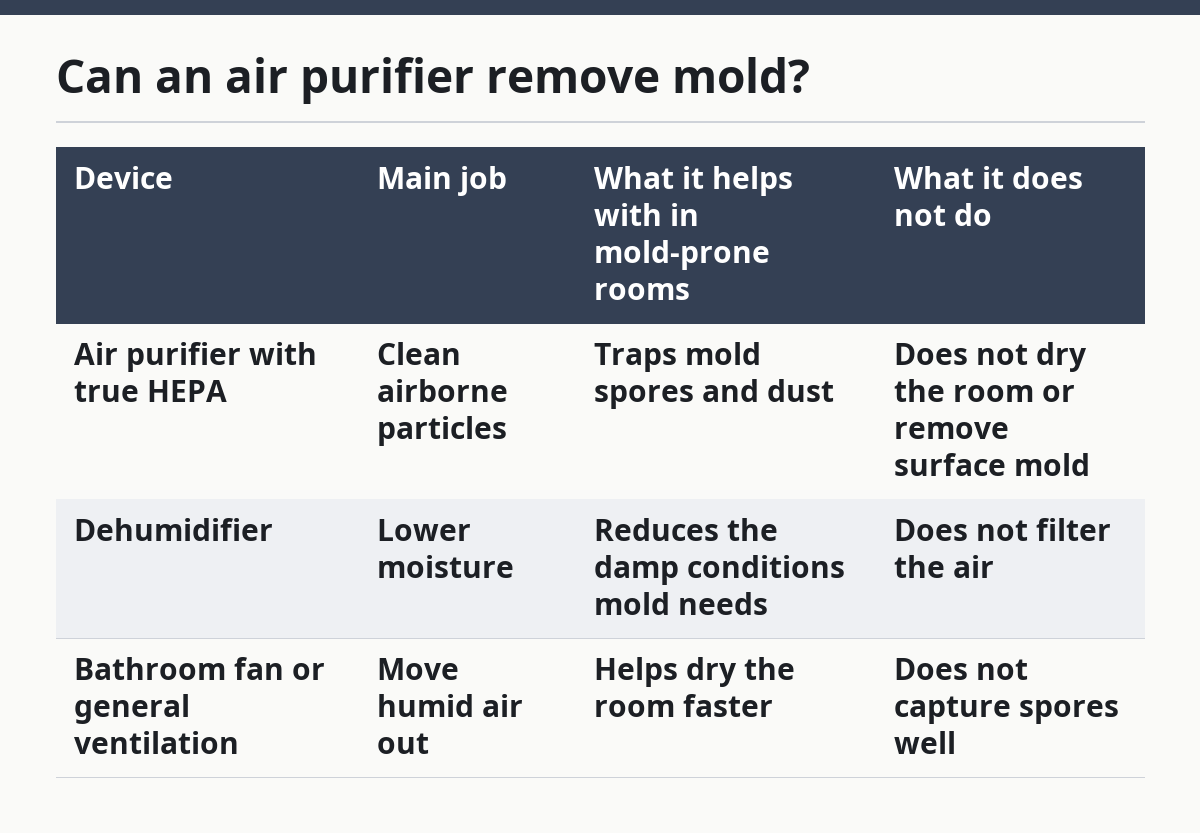
That table is the key to choosing without wasting money. A purifier without moisture control can still leave a room damp. A dehumidifier without filtration can leave spores in the air. In most humid rooms, the two tools belong together.
What should I look for in a basement purifier?
A basement purifier should have true HEPA filtration, enough room coverage for a closed, low-airflow space, and simple fan settings that can run for long periods. Basements are often the hardest rooms because they stay cooler, trap moisture, and collect stale air.
Coverage matters more in a basement than in many other rooms because basements are often larger, divided by stored items, and not ventilated well. A purifier that is fine for a small bedroom may be too weak once it is placed in a laundry area, utility room, or open basement space. If the room is partly blocked by shelves or boxes, the purifier works harder to pull air through the filter.
The best setup often pairs the purifier with a dehumidifier. The dehumidifier handles the wet air, while the purifier handles spores and dust that rise from concrete floors, stored fabric, cardboard boxes, and HVAC activity. Without that pairing, the room may smell cleaner for a while but still stay damp.
A basement model also benefits from a washable pre-filter if the design includes one, because dusty spaces can load the main filter faster. That does not replace HEPA filtration. It just helps catch larger debris before it clogs the fine filter.
A basement is one place where quiet mode is less useful than steady operation. If a unit has to be turned down so low that it barely moves air, it is not doing much for mold spores. The better choice is often a unit that can run at a tolerable speed for hours, not a fancy machine that looks good but stays off. For room sizing, check our basement air purifier tips and compare against the room’s square footage.
What should I look for in a bathroom purifier?
A bathroom purifier should be moisture-tolerant in use, easy to place, and paired with ventilation, because the room’s real problem is steam. Bathrooms are small, humid, and frequently exposed to short bursts of warm moisture, which is exactly the kind of setting that helps mold grow around tile, trim, and ceilings.
The first feature to watch is size. A compact purifier can make more sense in a bathroom than a large tower, because floor space is limited and the room is usually used in short stretches. The purifier should fit without blocking the door, sink access, or the path to the shower.
The second feature is quick response. A bathroom often needs fast air movement after a shower, not just low-level all-day filtration. A model with a higher fan setting can help move particles and odors through the filter while the room dries. That said, a purifier is still the backup player here. A working exhaust fan or open door does more to remove steam.
The third feature is easy cleaning. Bathroom air carries moisture and fine residue, so dust can collect quickly on the pre-filter and intake area. A purifier with a simple front panel and filter access is less likely to be ignored. If the filter is hard to reach, it tends to get neglected in the one room that needs regular attention.
A bathroom purifier is not a cure for black grout lines, peeling paint, or persistent leaks. Those are signs to fix the moisture source first. The purifier can help with airborne spores, but only after the room stops acting like a steam chamber after every shower. If black spots keep returning, consult a mold remediation professional or building professional rather than relying on filtration alone.
How do I compare models without getting distracted by extras?
The best way to compare models is to rank them by filter type, room fit, airflow, and maintenance before looking at app features or display lights. That keeps the choice grounded in how mold-prone rooms actually behave.
Use this order:
- Check for a true HEPA filter. This is the main feature for trapping mold spores and fine dust. If the product does not clearly say true HEPA, move on.
- Match the purifier to the room size. A small bedroom unit may be too weak for a basement or a large bathroom with poor ventilation.
- Look for multiple fan speeds. A higher setting helps in damp rooms, while a lower setting can keep noise down when the room is quiet.
- Check whether a pre-filter is easy to clean. In dusty basements, this can matter a lot because larger debris can clog the main filter faster.
- Decide whether odor control is needed. A carbon filter can help with musty smells, but it should not distract from HEPA filtration.
- Compare maintenance access. If the filter is awkward to reach, the unit may go unused once the room gets busy.
A common mistake is buying for features that sound smart but do not change the result. A timer, remote, or app can be nice, but none of them matter much if the purifier is too small or lacks true HEPA filtration. Another mistake is assuming a stronger smell means cleaner air. Musty odors can change before the real moisture problem does. For model comparisons, see our best air purifiers for mold and HEPA filter guide.
For readers who want to keep the decision tied to the bigger buying picture, the hub on air purifier buying decisions is the right next stop on this site.
What mistakes cost the most in mold-prone rooms?
The costliest mistake is buying a purifier and skipping moisture control. That leaves the room damp, and damp rooms keep growing mold. In that situation, the purifier may reduce airborne spores for a while, but the room keeps making more.
The second costly mistake is choosing a unit by brand style instead of filtration. A sleek machine with weak filtration can look right in a bathroom or basement and still fail at the main job. True HEPA should come before design, lights, or voice controls.
The third mistake is under-sizing the unit. A purifier that is too small for the room can run all day and still not keep up. In a basement or large bathroom, that leads to wasted power and very little change in air quality.
The fourth mistake is ignoring room airflow. If air stays trapped behind doors, furniture, or storage piles, the purifier has less chance to move air through the filter. In a basement, that often means the purifier should sit where open air can reach it, not buried in a corner behind boxes. For airflow placement, our room setup guide shows where purifiers work best.
Who is a purifier alone not for? It is not the right first answer for a room with active leaks, visible mold on surfaces, or major condensation problems. In those rooms, fixing the moisture source comes first. If the space is already dry but still dusty or musty, a HEPA purifier becomes much more useful.
FAQ
Can an air purifier remove mold?
An air purifier can remove mold spores from the air, especially when it uses a true HEPA filter. It cannot remove mold that is already growing on walls, ceilings, grout, or wood. For mold on surfaces, the moisture source has to be fixed first.
Should i use an air purifier in a basement?
Yes, a basement is one of the better places for an air purifier if the room is dusty, stale, or prone to musty odors. A true HEPA filter helps with airborne spores, but a dehumidifier is usually needed too because basement mold is driven by moisture as much as by air quality.
Do air purifiers help in humid rooms?
Yes, air purifiers help in humid rooms by capturing airborne particles, including mold spores, but they do not dry the air. A bathroom, laundry room, or damp bedroom usually needs moisture control as well, often from a dehumidifier or ventilation that lowers humidity after use.
Drafted with AI; not yet reviewed by a person.