How to Store an Air Purifier During Off-Season
How to Store an Air Purifier During Off-Season: Store an air purifier clean, dry, and loosely packed with the filter handled the right way, then keep it…
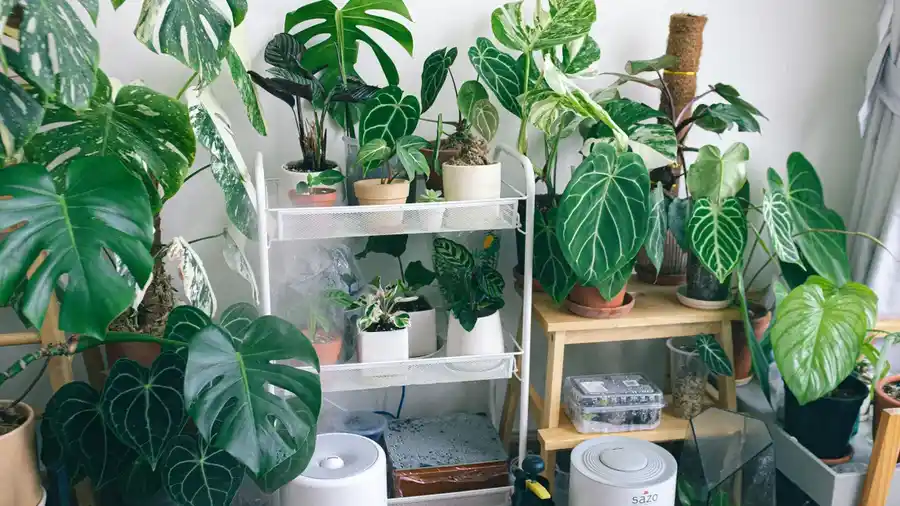
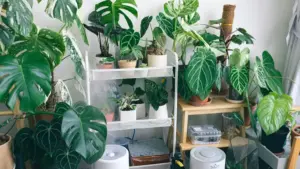
Air purifier on the floor beside houseplants in a room
Last updated: November 28, 2026
Store an air purifier clean, dry, and loosely packed with the filter handled the right way, then keep it in a cool, low-humidity place until you need it again. That keeps dust, musty smells, and cord damage from turning a simple seasonal break into a repair job.
Key takeaways
- Clean the unit before it goes into storage so dirt does not sit on the housing for months.
- Remove the filter if the maker says to, and keep it in a dry, clean place.
- Coil the power cord loosely instead of bending it hard around the base.
- Use a dust cover or storage bag, but never trap the unit in damp air.
- Put the purifier somewhere dry and steady, not near a sink, heater, or leaky wall.
How do you store an air purifier during off-season?
You store an air purifier by cleaning it, drying it fully, protecting the filter and cord, and placing it in a dry covered spot. The whole job is simple, but the order matters because trapped dust and moisture cause most storage problems.
- Unplug the air purifier and let it sit for a few minutes until the fan stops completely.
- Clean the housing, vents, and control panel with a dry microfiber cloth so loose dust does not get packed into corners.
- Remove the filter only if the manual tells you to do so for storage.
- Dry every part fully before you pack anything away.
- Wrap the power cord loosely so the bend stays gentle.
- Cover the unit with a dust cover or place it in a storage bag that allows clean, dry storage.
- Set the purifier in a closet, shelf, or other dry indoor spot until the next season.
That is the shortest honest version. If the purifier smells musty when you take it out later, the problem usually started at step 4 or 7, not at the end.
A generic “put it in a box” answer misses the real risk: dust, moisture, and filter wear. A purifier that sits for 4 months in a damp room can come back with stale odor or caked dust on the intake. That is why the storage location matters as much as the cover.
If you want the broad upkeep side as well, the maintenance-and-ownership hub on airpurifierspace.com can sit beside this guide, but this page stays focused on storage and restart.
What should you clean before storage?
You should clean the outside, the intake grilles, and any accessible dust path before storage, even if the unit still looks fine. A 2-minute wipe now prevents dirt from baking onto the plastic during a long off-season.
Start with a dry microfiber cloth on the shell, top panel, and vents. If the purifier has visible dust around the intake slats, use a soft brush attachment on a vacuum only if the manual allows it. Do not soak the body, and do not spray cleaner straight onto the unit, because liquid can run into controls and leave residue.
The filter area needs the most attention. If the filter is meant to be removed, take it out gently and keep loose dust from falling back into the machine. If the filter is not removable for storage, leave it in place and make sure the unit is fully dry before covering it.
This step matters because a closed-up purifier is not like a sealed plastic bin. Dust on the inside stays there for months, and that can lead to stale air the next time you switch it on. A clean exterior also makes it easier to spot cracks, bent louvers, or other problems before the next use.
Do not aim for a deep scrub unless the maker’s manual calls for it. The goal is clean enough to store, not a full service strip-down. For most home units, a dry wipe and careful dust removal are the right level of work.
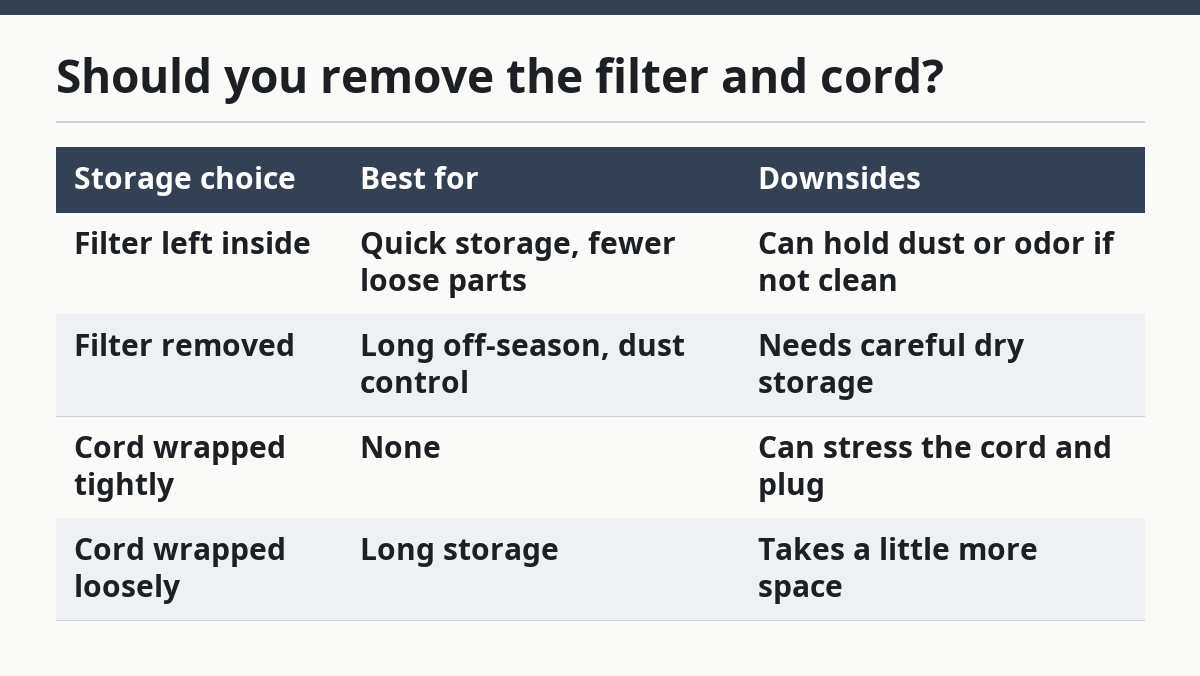
Should you remove the filter and cord?
Yes, you should remove the filter if the manual says to, and you should always store the power cord loosely, not jammed under the base. Those two parts take the most abuse in storage, and they are the easiest to damage by accident.
Filter handling depends on the model. Some purifiers use a removable filter that should come out before long storage, especially if the filter is already near the end of its service life. Other units are built so the filter stays inside the housing. The right answer is the one in the manual, not a guess.
A filter that is removed for storage should go into a clean, dry place where it will not pick up dust. A paper bag, the original packaging, or a clean storage bag is better than a bare shelf. Do not set it near cleaning supplies, laundry, or a garage wall where fumes and moisture linger.
The power cord needs separate care. Coil it in a loose loop, roughly the size the cord naturally wants to make, and avoid tight bends near the plug. Tight wrapping can stress the insulation and leave the cord kinked when you pull it out 4 months later.
Here is the practical trade-off: removing the filter can protect it from dust, but only if you store it properly. Leaving it inside can be simpler, but it may hold odors or loose dust. That is why the manual matters. If the instructions are missing, the safest default is to store the purifier dry, closed, and dust-covered without forcing any part.
| Storage choice | Best for | Downsides |
|---|---|---|
| Filter left inside | Quick storage, fewer loose parts | Can hold dust or odor if not clean |
| Filter removed | Long off-season, dust control | Needs careful dry storage |
| Cord wrapped tightly | None | Can stress the cord and plug |
| Cord wrapped loosely | Long storage | Takes a little more space |
Where should you keep an air purifier?
You should keep an air purifier in a cool, dry indoor place where the humidity stays low and the unit will not get crushed. A closet is fine in many homes, but a damp basement, leaky garage, or hot attic is the wrong call.
The best storage spot is stable. That means no direct sun, no dripping pipes, no floor that gets damp after rain, and no spot beside a heater. Heat can warp plastic over time, and moisture can leave the unit smelling stale. Even a good dust cover will not fix a bad room.
A closet shelf is usually better than the floor because it keeps the purifier away from dust, mop water, and spilled boxes. If the only option is the floor, use a raised platform or a clean shelf inside a storage cabinet. Keep at least a few inches of air space around the unit so a cover does not press it flat.
If you live in a humid area, the storage room itself matters more than the cover. The EPA’s guidance on mold and moisture in the home explains why damp spaces need attention before items are stored there: https://www.epa.gov/mold/mold-course-chapter-2. The CDC also has practical mold prevention guidance here: https://www.cdc.gov/mold/cleanup.htm. Those pages are not about air purifiers specifically, but the moisture advice applies directly.
This section is where many generic guides stop too early. They say “store it in a closet” and leave out the real warning: a closet can still be the wrong place if it sits against a wet exterior wall or above a musty basement. The room matters as much as the furniture.
How do you protect it from dust and humidity?
You protect it with a dust cover or storage bag, plus a dry room, because the cover helps only after the moisture problem is under control. A cover keeps lint off the shell; it does not fix damp air.
Use a dust cover if the purifier will sit on an open shelf. If you use a storage bag, make sure the unit is dry first so the bag does not trap leftover moisture. A simple cover is enough for most off-season storage, as long as it fits loosely and does not pull on knobs, cords, or vents.
Do not seal the purifier in a wet plastic bag after cleaning. That is one of the easiest ways to create a stale smell. If the unit or filter still feels cool, damp, or heavy from cleaning, give it more time before packing it away.
Humidity is the part people overlook. A dry cover over a damp machine just locks in the problem. That is why a 24-hour wait can be smarter than rushing the job. If the purifier has a washable prefilter or washable part, make sure it is fully dry before storage, not just “mostly dry.”
The safest setup is simple: clean unit, dry filter or filter compartment, loosely wrapped cord, dust cover, and a dry closet. That combination does not take much space, and it avoids the two common storage failures: dust buildup and trapped moisture.
What should you do before using it again?
You should inspect, dust, and reassemble the purifier before switching it back on. A 5-minute check after storage is better than finding a problem while the unit is running.
Look for dust on the vents, odor inside the filter area, and any cord damage from storage. If the filter was removed, put it back the way the manual shows. If the cover or bag trapped dust, wipe the shell again before first use.
A quick reactivation routine is enough for most homes:
- Inspect the cord, plug, and housing for cracks or bent parts.
- Wipe the exterior with a dry cloth.
- Reinstall the filter if it was removed.
- Place the purifier in its normal room with clear space around the intake and outlet.
- Run it for a short period and listen for odd noise or smell.
If you notice a musty odor that does not clear, stop and check the filter and storage area first. The problem is often dust or moisture from storage, not the motor itself.
This is also the point where a generic article would drift into filter replacement advice, but that is a different question. Here, the goal is to get the purifier back in service cleanly, not to decide when a filter has reached the end of its life.
Should I remove the filter before storing an air purifier?
Usually, yes, if the manual says the filter is meant to come out for storage. That makes it easier to keep the filter dry and dust-free for 3 months or longer. If the filter is not designed to be removed, leave it in place and store the whole unit clean and dry.
Can I store an air purifier in a closet?
Yes, a closet is a good storage spot if it is dry and not crowded. A shelf is better than the floor, and a closet against a damp wall is a poor choice. Keep the unit away from shoes, laundry, and anything that sheds lint or holds moisture.
How do I keep an air purifier from getting dusty in storage?
Use a dust cover or storage bag after the unit is fully dry, then keep it in a clean indoor spot. Dust control starts with storage location, not just the cover. A dry closet or shelf protects it better than a covered unit in a humid basement.
Drafted with AI; not yet reviewed by a person.