Can Air Purifiers Help With Dust? What They Can and Cannot Remove
Can Air Purifiers Help with Dust? What They Can and Cannot Remove: Yes, an air purifier can help with dust, but it only catches the dust that is floating…
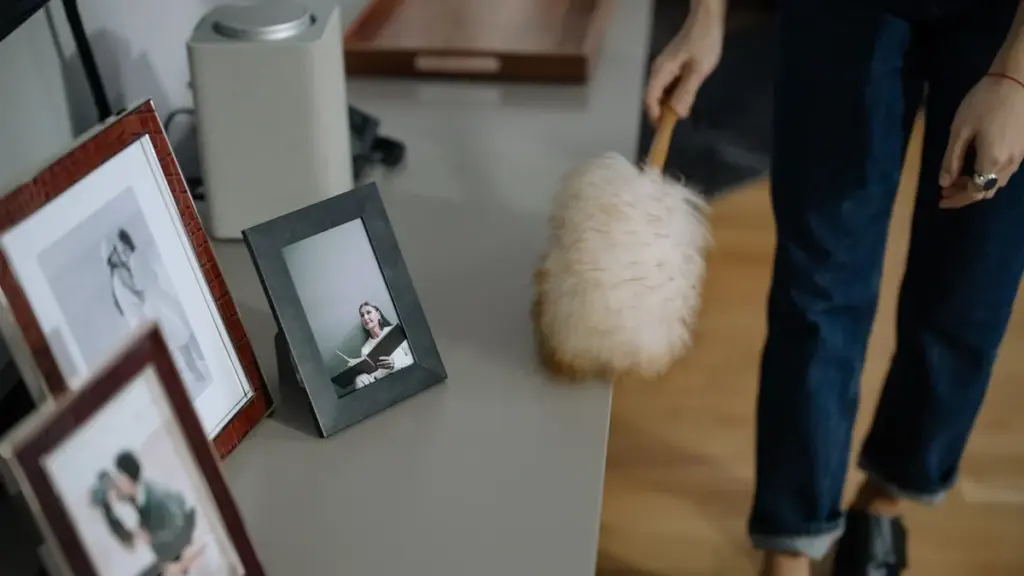
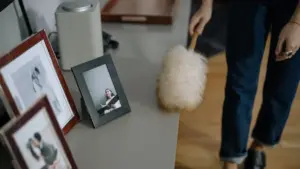
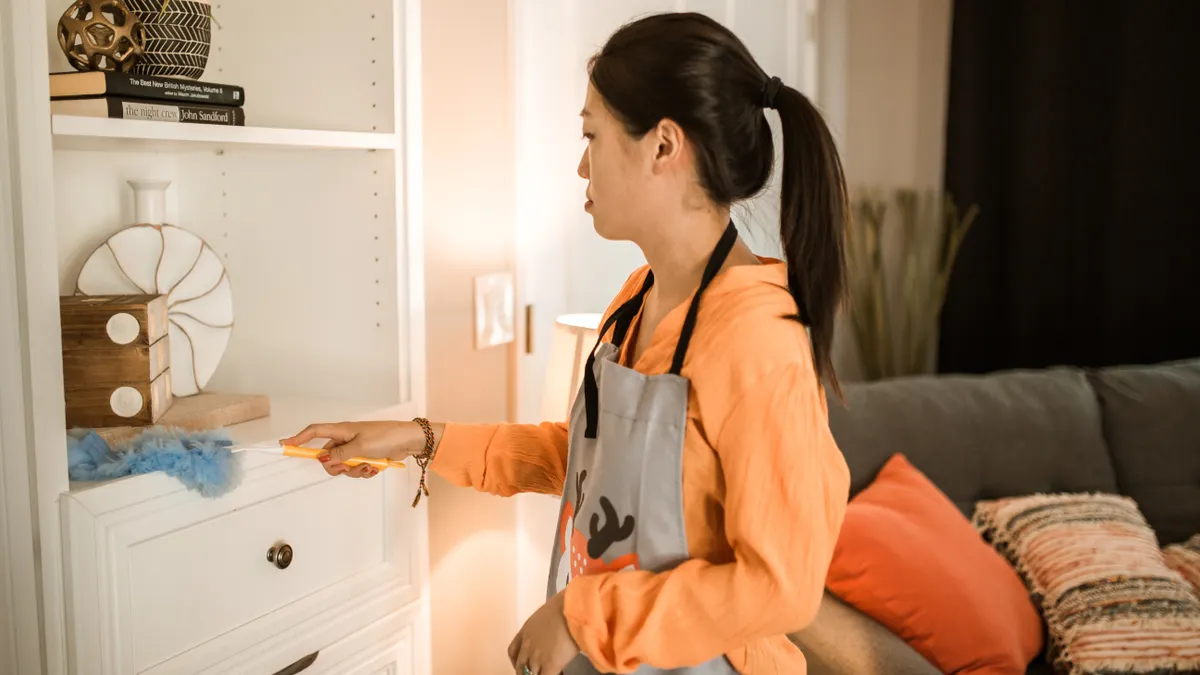
Person dusting a shelf with a feather duster
Last updated: November 27, 2026
Yes, an air purifier can help with dust, but it only catches the dust that is floating in the air. It will not pull dust off a shelf, stop dust from settling on the floor, or replace a vacuum cleaner. For house dust control, a HEPA filter works best as one part of a larger routine, not as the whole answer.
Key takeaways
- Air purifiers help most with airborne dust, not the dust already on furniture, floors, or blinds.
- A HEPA filter is the right type to look for when dust is the main problem.
- Vacuuming, damp microfiber cleaning, and reducing dust sources still matter.
- If dust keeps returning fast, the purifier may be too small, placed poorly, or working in a dusty room that needs source control.
- For visible buildup, the purifier is support; the vacuum cleaner and cleaning cloth do the heavy lifting.
What does an air purifier actually do for dust?
An air purifier helps with dust by moving room air through a filter that traps particles before they land somewhere else. That means it can reduce the amount of fine dust staying airborne, especially around beds, desks, and other places where air moves a lot.
The catch is simple: dust is not one thing. House dust can include lint, skin flakes, fabric fibers, pollen, and other tiny bits. A purifier can catch some of that while it is floating around, but it cannot touch the dust already attached to a table leg or packed into carpet.
A HEPA filter is the standard name to look for when dust is the target. HEPA is designed to capture very small particles, and that is why it is the usual choice for dust removal with air purifiers. The EPA’s guide to air cleaners in the home explains why a filter-based purifier is the right kind of machine for particle control, not odor control alone.
https://www.epa.gov/indoor-air-quality-iaq/guide-air-cleaners-home
The useful way to think about it is this: the purifier lowers the airborne dust load, which can make the room feel cleaner and can reduce how much dust settles in the hours after cleaning. It does not make the room dust-free. If you want zero visible dust, no purifier can deliver that.
What dust can a HEPA filter catch?
A HEPA filter can catch the fine floating particles that make dust feel like it is always coming back. That includes small lint, tiny fibers, and a lot of the light debris that stays suspended after walking, vacuuming, or making a bed.
The table below separates what a purifier can handle from what it cannot.
| What you are dealing with | Can an air purifier help? | What actually removes it |
|---|---|---|
| Dust floating in the air | Yes | HEPA filter in the purifier |
| Fine lint and microfibers in the air | Yes | HEPA filter |
| Dust that has settled on a shelf | No | Microfiber cloth |
| Dust on the floor | Not directly | Vacuum cleaner, mop, or microfiber floor tool |
| Dust packed into carpet | Only a little | Vacuum cleaner with the right attachment |
| Dust stuck in fabric | Only while airborne | Washing, vacuuming upholstery, source control |
| Odors from dust or cleaning products | Not much, unless the purifier has a carbon layer | Ventilation and source control |
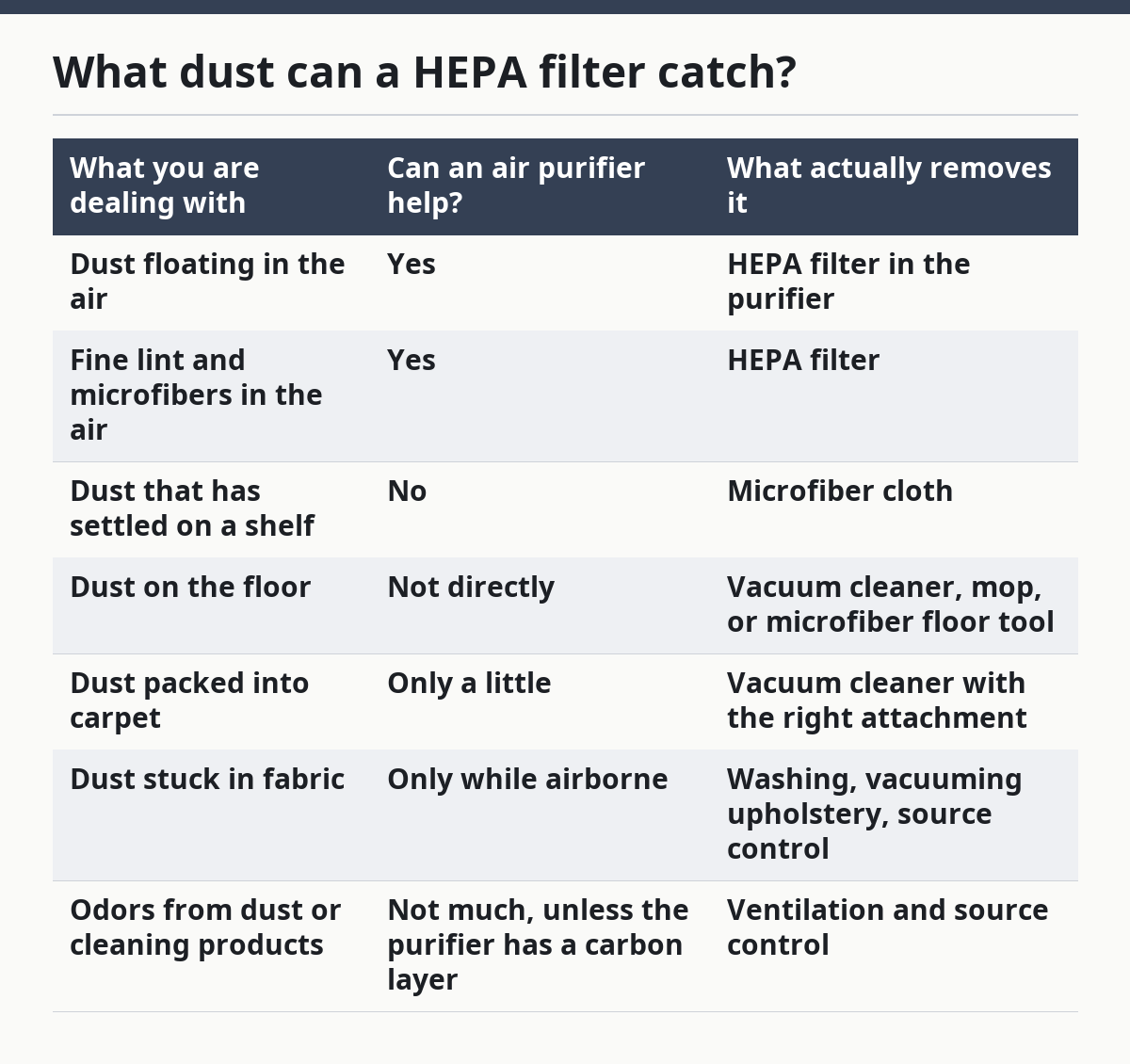
The term that matters here is airborne. If the dust is still moving in the room air, the purifier has a job to do. If it has already landed, the purifier is done with it.
This is why one room can feel better after running a purifier for 30 minutes while still showing dust on the TV stand. The machine cleans the air, not the surfaces. That difference is the part many generic articles blur together.
What can’t it remove from the room?
An air purifier cannot remove visible dust buildup from surfaces, floors, or fabrics. It also cannot stop new dust from being made by the room itself.
That limitation matters because dust often comes from the room, not just from outside air. Fabric sofas shed fibers. Blankets shed lint. Carpets trap and release particles. A ceiling fan can keep dust moving, but it can also stir it up and spread it around.
A purifier also cannot replace routine cleaning. If a room has a lot of dust on the floor, the purifier may catch some of the fine portion that gets kicked up, but the main pile still sits there until you vacuum or wipe it. The same goes for blinds, baseboards, and shelves. A purifier may slow down how fast dust returns, but it does not wipe, sweep, or scrub.
This is where expectations go wrong. Some people buy an air purifier because they want the room to stop looking dusty. That is the wrong goal. The better goal is to reduce airborne dust and make cleaning easier. If the room has a heavy dust source, the purifier will not fix that on its own.
If you are deciding where an air purifier fits in the bigger picture of indoor air problems, the hub article on air quality problems and what to do is the better next stop than chasing one machine to solve everything.
How do you use an air purifier for dust control?
You use an air purifier for dust control by placing it where air moves, running it long enough to clear the room air, and keeping the filter clean. The purifier does not need a complicated setup, but placement and consistency matter.
-
Put the purifier in the room where dust bothers you most.
A bedroom or living room is a better target than a hallway because dust collects where people spend time. Keep it away from a wall or behind furniture so the intake is not blocked. -
Use a purifier with a HEPA filter.
For dust, HEPA is the useful filter type. A basic fan with no filter will move air, but it will not trap dust. -
Run it while the room is in use and for a while after cleaning.
Dust gets stirred up when you walk, make a bed, or vacuum. Running the purifier during and after those tasks helps catch the particles that go back into the air. -
Pair it with source control.
Wash bedding, wipe surfaces with a microfiber cloth, and vacuum the floor. The purifier works best when the room is not constantly making new dust. -
Keep up with filter maintenance.
A clogged filter can slow airflow and reduce dust capture. Follow the maker’s guidance for cleaning or replacing the filter, and check it more often in a dusty room. -
Notice the difference between less airborne dust and less visible dust.
If the purifier is doing its job, the air may feel cleaner and you may see less dust settle between cleanings. That is a real win, even if the bookshelf still needs a wipe.
A purifier is strongest in smaller, closed rooms with steady use. It is weaker in a large, open space with a lot of foot traffic and open windows. If dust is coming in faster than the purifier can catch it, the room needs more than filtration.
What else should you do besides run one?
You should reduce the dust source, because source control usually matters more than any single machine. A purifier can clean what is already floating, but it cannot stop the room from making more.
Vacuuming is the biggest partner to a purifier. A vacuum cleaner removes dust from the floor before it gets kicked back into the air. If the room has carpet, this matters even more because carpet holds dust and releases it when people walk across it. Hard floors still need attention, but they are easier to keep under control.
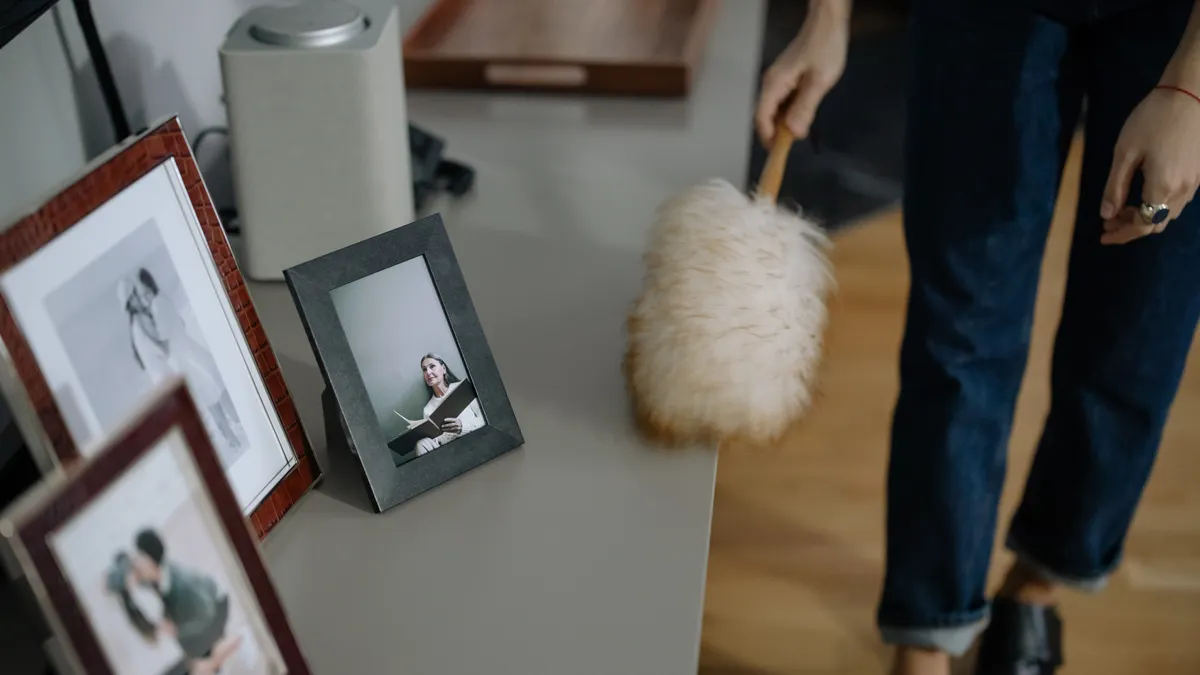
Microfibers matter because they trap dust instead of pushing it around. A damp microfiber cloth is better than a dry rag for shelves, tables, and baseboards. Dry dusting often sends fine particles back into the room, which gives the purifier more work to do for no real gain.
A simple routine beats random cleaning. Here is a practical order that keeps dust from bouncing around:
| Task | Tool | What it does |
|---|---|---|
| Clean shelves and flat surfaces | Microfiber cloth | Removes settled dust without spreading it |
| Clean the floor | Vacuum cleaner | Picks up dust before it rises again |
| Clean fabrics | Vacuum attachment or washing | Removes lint and trapped dust |
| Run the purifier | HEPA air purifier | Catches the dust that gets stirred up |
The room also matters. Less clutter means fewer places for dust to sit. Fewer fabric items means fewer fibers in the air. If the room has heavy dust buildup, start with cleaning and source control first, then let the purifier maintain the air between cleanings.
This is the part that generic advice often misses: a purifier is not a shortcut around housework. It is a helper that makes the housework pay off longer.
What are the common mistakes with dust control?
The biggest mistake is expecting the purifier to clean visible dust off furniture. That does not happen, and it leads people to think the machine is weak when the real problem is that the room still needs wiping and vacuuming.
Another mistake is buying a purifier and never checking the filter. A dirty filter can lose airflow, which means less air passes through the machine and less dust gets caught. The purifier may still sound like it is working, but the room benefit drops.
Putting the unit in the wrong spot is another common error. If it sits in a corner behind a couch, the intake may not get enough room air. If it is placed in a draft from a window, it may spend more time handling outside air than room dust.
Here is the short list of what these mistakes cost:
- Expecting surface cleaning from a purifier leads to disappointed expectations.
- Skipping vacuuming leaves dust on the floor to get stirred up again.
- Ignoring the filter reduces capture and airflow.
- Using it in a bad spot lowers how much room air it can clean.
The fix is plain: use the purifier as part of a routine, not as a replacement for cleaning. If the room still looks dusty after a week, the answer is usually source control, placement, or filter upkeep, not a different promise from the machine.
Is an air purifier enough for dust?
An air purifier is enough only if your main goal is to reduce airborne dust, not to erase all visible dust. If your problem is a fine haze in the air, the purifier may help a lot. If your problem is dusty shelves, dusty blinds, and a floor that needs constant cleaning, it is not enough on its own.
That is why the best results come from a mix of tools. A HEPA air purifier handles the air. A vacuum cleaner handles floors. Microfiber handles surfaces. Source control keeps new dust down. Each one does a different job, and none of them does the whole job alone.
If you are trying to decide whether to buy one, the right question is not “Will it eliminate dust?” It is “Will it reduce the dust that stays in the air and makes the room feel dirty again so fast?” For that, the answer is usually yes.
If you want the shortest honest version: an air purifier helps with dust you can breathe in, not dust you can wipe off.
Do air purifiers remove dust?
Yes, air purifiers remove some dust from the air, especially when they use a HEPA filter. They do not remove dust that has already settled on furniture, floors, or fabric. That is why a room can still look dusty even when the air purifier is working as intended.
Why is there still dust if I use an air purifier?
There is still dust because the purifier only handles airborne particles, while most visible dust sits on surfaces or keeps getting made by the room itself. Carpets, bedding, clothing fibers, and open windows can all keep the cycle going. Vacuuming, microfiber cleaning, and source control still have to do their part.
What is the best air purifier for dust?
The best air purifier for dust is one with a HEPA filter that is sized for the room you want to clean. For dust, filter type matters more than a fancy label. A purifier that cannot move enough air through the room will do less useful work than a simpler unit that fits the space and is used regularly.
Drafted with AI; not yet reviewed by a person.