Can You Use an Air Purifier With Windows Open?
Can You Use an Air Purifier with Windows Open?: yes—an air purifier can still help with windows open, but a partially open window usually works better…
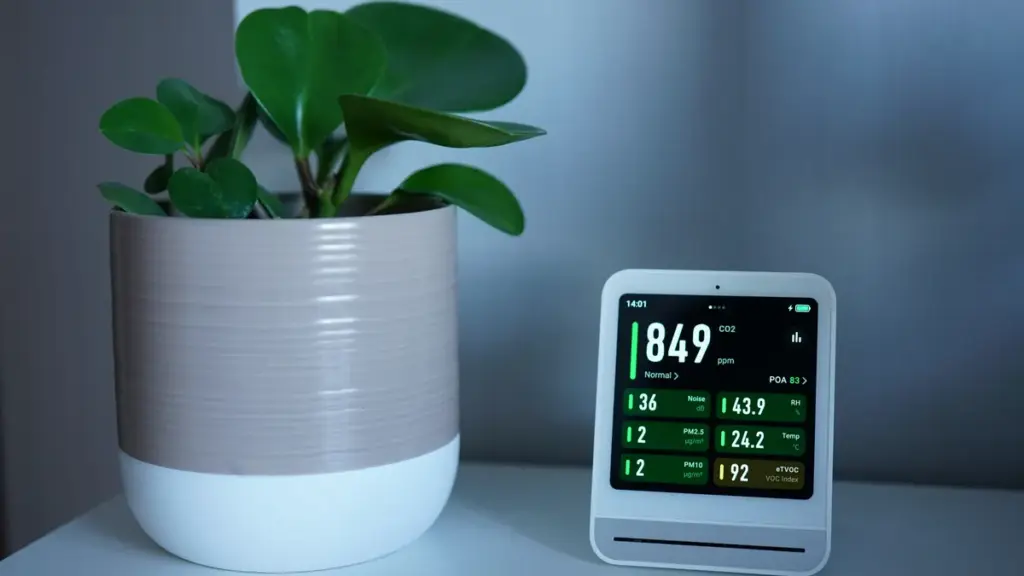
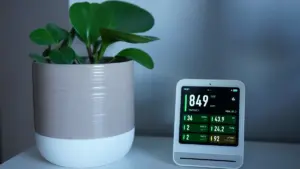
Houseplant beside an indoor air quality monitor on a table
Last updated: November 26, 2026
Quick answer: yes—an air purifier can still help with windows open, but a partially open window usually works better than a fully open one. Open windows bring in outdoor air, so the purifier has to clean a moving target instead of one room of mostly indoor air. That can still help with dust, pollen, smoke, or odors, but the result depends on what is outside and how wide the windows are open.

Key takeaways
- Open windows do not cancel an air purifier, but they make it work harder.
- The cleaner the outdoor air, the more sense it makes to combine ventilation and filtration.
- If outdoor air is smoky, dusty, or heavily polluted, closing the windows usually gives the purifier a better chance to clean the room.
- A higher fan setting can help when the air is changing fast, but it also makes noise and uses more energy.
- This setup is useful when you want fresh air exchange and some particle removal at the same time.
Can you use an air purifier with windows open?
Yes, you can use an air purifier with windows open, and in some rooms that is the right setup. The purifier still removes particles from the air that passes through it, but an open window keeps adding new outdoor air to the room. That means the purifier is cleaning a stream, not a sealed space.
The key question is what is coming in from outside. If outdoor air is fairly clean, the purifier can still reduce indoor dust, pollen, and other particles while the window provides fresh air exchange. If outdoor air carries smoke, traffic pollution, or heavy pollen, the window keeps feeding the problem back into the room. EPA guidance on indoor air cleaners and ventilation makes the same basic point: filtration and ventilation do different jobs, and the outdoor air source matters. See the EPA’s Guide to Air Cleaners in the Home and AHAM’s room air cleaner information.
A simple way to think about it is this: the purifier lowers the particle load inside the room, while the open window changes how fast that load rises again. In a small bedroom with 1 open window, the purifier may still make a clear difference. In a large living room with 2 wide-open windows and strong outside airflow, the purifier may feel like it is chasing the air rather than cleaning it. For room-by-room setup ideas, see air purifier placement tips and how air purifiers work.
When does it make sense?
It makes sense when outdoor air is cleaner than the stale indoor air you are trying to replace. In that situation, a window and an air purifier can work together: the window adds ventilation, and the purifier removes particles.
This setup is useful in a few common situations. If the room feels stuffy in mild weather, a cracked window and a purifier can be a practical mix. If you want to reduce dust or pet dander while still getting fresh air exchange, the purifier can help keep the room more comfortable. If you are airing out a room after cooking, a purifier can cut the particle load while the window moves the air out. For example, a bedroom with 1 partially open window can still gain some ventilation without losing all filtration.
It is a weaker setup when the outside air is worse than the indoor air. Smoke from wildfires, heavy traffic, construction dust, and high pollen days all work against you. In those cases, the window can undo part of the purifier’s work. A common idea is that “more air” always means “better air,” but that is not always true. Air quality matters more than airflow alone.
In spring, pollen can make an open window a bad trade. In summer, warm outdoor air may be fine in the evening but not during a smoky afternoon. In fall and winter, cold air and dry breezes can make a room uncomfortable even if the purifier is running. The right choice shifts with the season, not with a fixed rule.
How should I set the purifier with a window open?
You should use a higher fan setting when the window is open if you want the purifier to keep up with changing air. A low setting can still help, but it may not move enough air through the filter to make much difference when fresh outdoor air keeps entering the room. The point is to balance airflow, noise, and how much cleaning you need.
Use this basic sequence:
- Start with the window partly open, not fully open. A 5 to 10 cm crack gives you some room ventilation without turning the whole room into a drafty tunnel.
- Turn the purifier to a medium or high fan setting. The stronger airflow helps it process more room air while outdoor air is entering.
- Leave doors either open or closed based on the room size. A closed door keeps the purifier focused on one space; an open door spreads the air-cleaning effect farther but also gives pollution more paths to move.
- Adjust the window before you change the fan. If the room still feels stale, open the window more. If it becomes too noisy, cold, or dusty, reduce the window opening first.
- Change the setting when outside conditions change. A calm morning may allow a lower fan speed, while a windy or smoky afternoon may call for a higher one.
This is also where fan settings matter most. A purifier on high can be useful for 30 minutes to a few hours after you open the room, then you can lower it if the air stays acceptable. If the outdoor air is poor, though, even a strong fan setting is not a full fix. The window keeps feeding the room. For more on operation, see air purifier maintenance and ownership.
Does an open window hurt air purifier performance?
Yes, an open window usually lowers the purifier’s apparent performance because the room never settles into one stable air volume. The filter still works, but the room air keeps being replaced by outdoor air, which can carry new particles in at the same time the purifier removes old ones.
If you are trying to reduce dust on shelves, a window open to a windy street will often slow the result. If you are trying to reduce cooking smells in a kitchen-adjacent room, the window may help remove odors while the purifier catches some particles. If you are trying to handle smoke, the open window can become the main problem. In a room with 2 open windows, the air changes faster, and the purifier has less time to lower particle levels before new air comes in.
The issue is not that the purifier stops working. The issue is that the room becomes harder to clean. In a closed room, the purifier can circulate the same air through the filter again and again. With open windows, the room is closer to a moving corridor. That means the purifier has less chance to lower the particle level before more outdoor air arrives.
This is why people often notice a bigger effect with windows closed, even when the purifier is the same model. The machine is doing the same job, but the room conditions are different. If you want the purifier to do the most work, close the window for stretches of time, then open it when fresh air exchange matters more than filtration.
Is it wasteful to run one this way?
It can be wasteful in some conditions, but not always. The waste comes from doing more work for less result rather than from the purifier itself. If the window is wide open on a dirty-air day, the purifier may run longer and harder while the room never reaches the air quality you want.
The better approach is to match the setup to the air outside. On a clean day, an open window can reduce the need for the purifier to work as hard because the room gets natural ventilation. On a polluted day, the purifier may need a higher setting for a longer time, and the open window can make that effort less effective. The cost is not just electricity; it is also noise, filter use, and the time it takes to feel a difference. For filter lifespan and operating costs, see HEPA filter replacement guide.
Here is the simplest comparison:
| Setup | What it does well | Main downside | Best use case |
|---|---|---|---|
| Air purifier with windows closed | Keeps the room air more stable and easier to clean | Less fresh air exchange | Smoke, pollen, dust, poor outdoor air |
| Air purifier with windows partly open | Mixes ventilation with filtration | Purifier works harder against incoming outdoor air | Mild weather, fairly clean outdoor air |
| Window open, purifier off | Gives fresh air exchange only | No particle filtration | Short airing-out periods when outdoor air is clean |
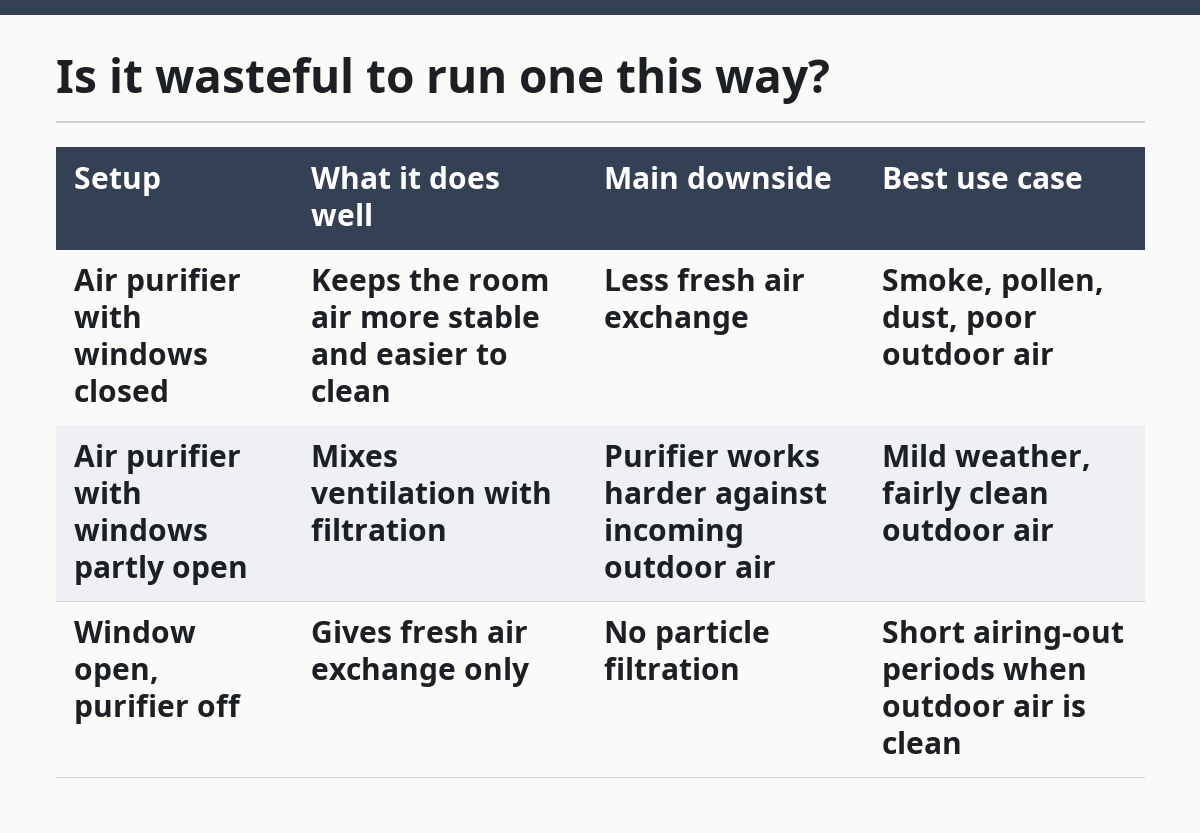
If you want the purifier to feel like money well spent, close the window when outside air is bad and open it when the outside air is better than the air inside. That one choice does more for efficiency than changing the brand or chasing a bigger fan speed.
What mistakes do people make?
People usually make three mistakes: they open the window too wide, they keep the fan too low, or they use the setup during bad outdoor air. Each one cuts the purifier’s effect in a different way.
Opening the window too wide creates a constant air exchange that can overwhelm the purifier. If the room feels like a cross-breeze, the purifier may never catch up. A smaller opening often gives a better balance between fresh air and filtration.
Running the purifier on a low setting is another common miss. Low airflow can be fine in a mostly closed room, but with a window open it may not move enough room air through the filter. A medium or higher setting is often the better starting point. If noise becomes a problem, adjust the window first before dropping the purifier all the way down.
Ignoring outdoor conditions is the biggest mistake. A room can smell fresh and still carry smoke, pollen, or traffic particles. If the air outside is worse than the air inside, close the windows and let the purifier work on a stable room. If the air outside is clean, open the window and use the purifier as backup. For related guidance, see wildfire smoke indoor air tips and indoor air quality basics.
One more practical error is expecting instant results. A purifier does not scrub the air in one pass. It takes time and repeated circulation, especially with open windows. If you want cleaner air in 10 minutes, you need less incoming outdoor air, not just a machine on the floor.
Can you use an air purifier with windows open in every room?
No, you should not use the same setup in every room because the room function and outside air matter more than the appliance. A bedroom, a kitchen, and a home office do not need the same balance of ventilation and filtration, even with the same purifier model.
A bedroom can benefit from a partly open window and a purifier if outdoor air is clean and the room needs fresh air exchange overnight. A home office may need more consistent filtration if dust or pollen is the main issue, which makes a closed window more practical. A living room with frequent door traffic may need a higher fan setting because more air moves in and out all day.
This is not a one-size-fits-all rule. The right answer depends on three things: how clean the outdoor air is, how much airflow the room already gets, and how sensitive you are to dust, smoke, or pollen. If you want the purifier to do the heavy lifting, close the window. If you want the room to breathe and the air outside is decent, open it a little and let the purifier help.
FAQ
Is it wasteful to run an air purifier with windows open?
It can be, if the outdoor air is dirty or the window is wide open. The purifier has to keep cleaning new incoming air, so the room may never stay clean for long. On a mild day with fairly clean outdoor air, it may be a sensible mix of ventilation and filtration.
Should I close windows when using an air purifier?
Close the windows when outdoor air is smoky, dusty, heavy with pollen, or clearly worse than the air inside. That lets the purifier work on a more stable room and usually gives better results. If the outside air is clean, a partly open window can still make sense.
Can I use an air purifier in a ventilated room?
Yes, you can use an air purifier in a ventilated room, and that is often useful when you want both fresh air exchange and particle removal. The purifier will help with indoor dust and other particles, but strong airflow from open windows or vents can reduce the effect.
Drafted with AI; not yet reviewed by a person.


1 thought on “Can You Use an Air Purifier With Windows Open?”