What to Do If an Air Purifier Smells Burnt or Musty
In 3 steps, turn the air purifier off, unplug it, and check the filter, dust buildup, and motor area before using it again. This guide on What to Do if an…
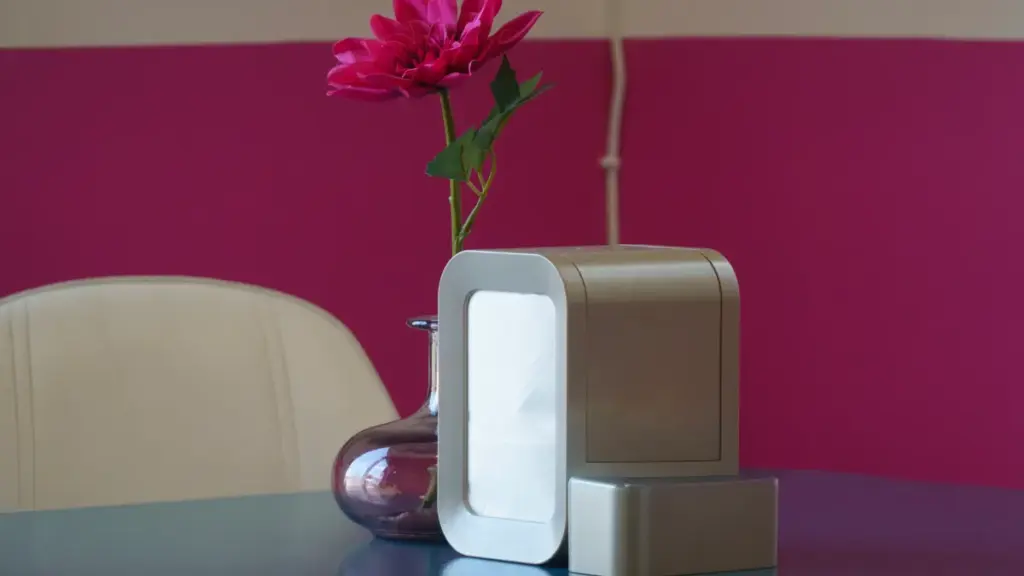
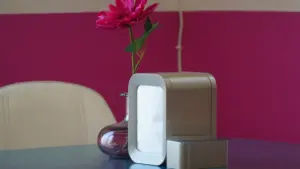
Small white tabletop air purifier beside a flower
Last updated: November 27, 2026
Quick answer: in 3 steps, turn the air purifier off, unplug it, and check the filter, dust buildup, and motor area before using it again. This guide on What to Do if an Air Purifier Smells Burnt or Musty covers the most common causes and the safest next steps. A burnt smell can mean overheating or an electrical problem. A musty smell usually points to trapped dust, moisture, or a dirty filter.
Key takeaways
- A burnt odor needs a quick safety check before the purifier goes back on.
- A musty odor usually comes from dust, a damp filter, or stale air sitting inside the unit.
- The filter, intake grille, and motor area are the first places to inspect.
- If the smell stays after basic cleaning, stop using the purifier and get it checked.
- A strong electrical smell is a different problem from ordinary dust smell.
What should I do first if my air purifier smells burnt?
First, turn the air purifier off, unplug it, and let it cool for at least 30 minutes. A burnt smell can come from dust on a hot part, but it can also come from the motor or wiring, and you do not want the unit running while you inspect it.
After it cools, move it to a clear surface and look at the outside vents, the intake grille, and the filter compartment. If you see visible dust on the grill, that dust can scorch when the purifier runs at higher speed. If you see melting, discoloration, or a sharp electrical smell, do not restart it.
A simple checklist helps here:
- Unplug the unit. This removes power before you touch the filter or housing.
- Let it cool for 30 minutes. A warm motor can carry a smell that seems worse than it is.
- Open the filter cover. Look for dust mats, dark spots, or moisture.
- Inspect the filter frame and housing. A warped frame or browned plastic points to heat.
- Wipe reachable dust with a dry cloth. Do not spray cleaner into the unit.
- Only restart after the smell is gone. A clean restart is one practical test you can do without guessing.
If the smell returns within a short run, stop using it. That is especially true if the unit smells more like hot plastic than ordinary dust. A burnt odor is not the same as the warm scent that can come from a first-time run after storage.
Why does my air purifier smell musty?
Because of trapped dust, moisture, or old air inside the filter path, a musty smell usually means the air purifier needs attention. The purifier may be pulling in damp room air, or the filter may have held onto odors long enough to smell stale when the fan starts.
Musty odors are common after the unit sits unused for a while, especially if it was stored near a basement, laundry room, or any space with humidity. If the filter is paper-based or has a carbon layer, it can hold onto smells more than the rest of the machine. That does not always mean the purifier is broken, but it can mean it needs attention.
Look at three spots first. Check the filter for gray dust buildup. Check the intake for lint or pet hair. Check the room for moisture, because a purifier cannot fix a damp space on its own. If the room smells musty too, the purifier may be reacting to the room rather than causing the odor.
A musty smell that fades after a short cleaning is usually a dust and moisture issue. A smell that lingers after cleaning points to a filter that has absorbed too much odor or to water damage inside the unit. In that case, the purifier may need a replacement filter, not just a wipe-down. For filter care basics, see the how to clean an air purifier filter guide and the air purifier maintenance and ownership hub.
Which parts cause the smell?
The filter, dust path, and motor area cause most odor problems. Those are the parts to inspect before you assume the whole machine is failing.
| Part | Burnt smell clue | Musty smell clue | What to do |
|---|---|---|---|
| Filter | Darkened spots, heat smell after a short run | Gray dust, damp odor, stale smell | Remove, inspect, and replace if damaged or saturated |
| Intake grille | Dust buildup near the vents | Dust or lint holding moisture | Wipe with a dry cloth or vacuum brush |
| Motor area | Hot plastic smell, discoloration, repeated odor | Rare, but can smell stale if dust sits inside | Stop use if the smell persists |
| Room air | Sharp odor only when running | Whole room smells damp | Check the space for humidity or mold sources |
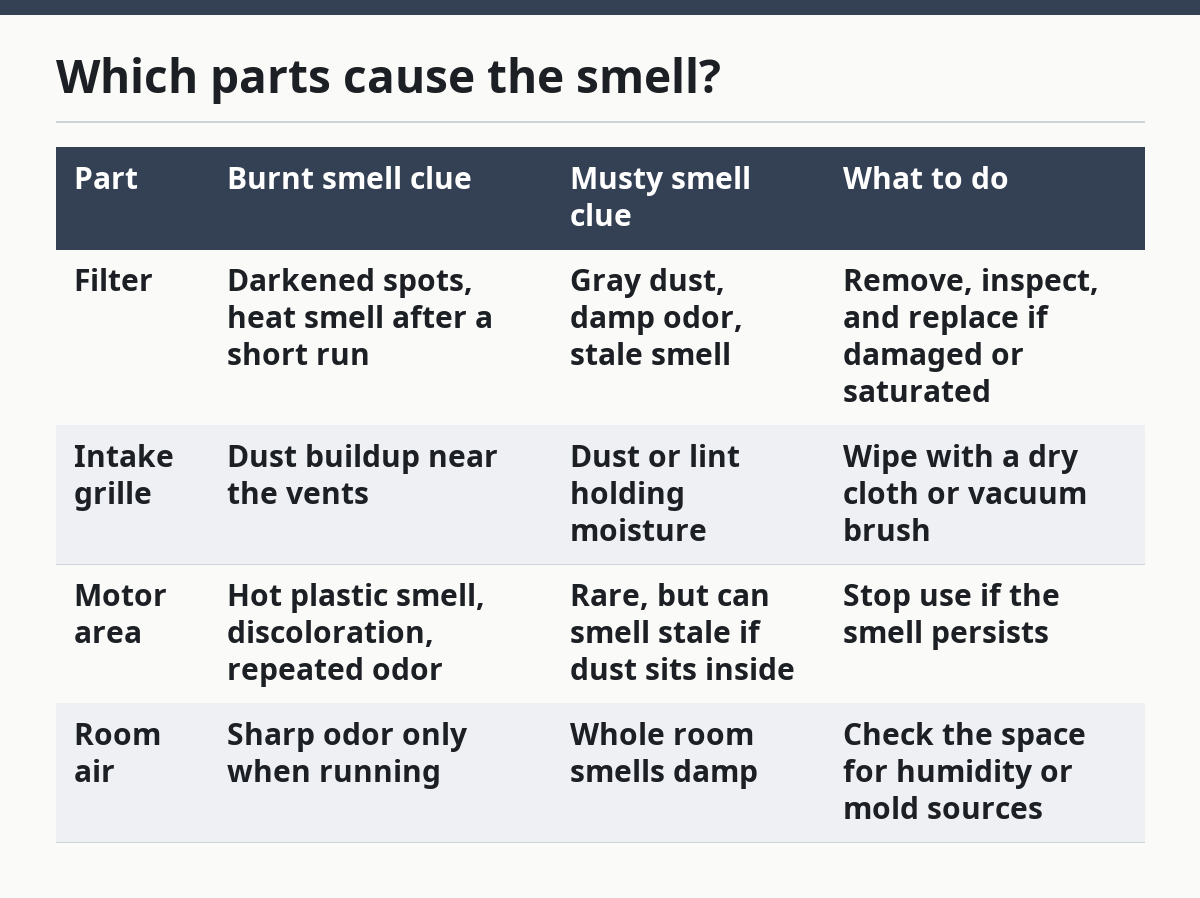
Dust is the most ordinary cause. It collects on the filter, grille, and fan path, then heats up when air moves through the machine. That can create a smell that seems burnt even when the purifier is not actually failing.
The motor is the part that needs the most caution. If the odor seems stronger near the base of the unit, or if the smell is electrical rather than dusty, the motor may be under stress. That is not a problem to fix by running the purifier longer.
A musty odor is less urgent than a burnt smell, but it still matters. Odor means the purifier is holding contamination somewhere in the airflow path. If the machine keeps recirculating that smell, it is not doing the job people buy an air purifier for in the first place. For placement and room setup, see where to place an air purifier and HEPA filter replacement signs.
How do I clean it without making the smell worse?
Clean the intake, cover, and accessible surfaces with dry methods first, and avoid putting liquid into the machine. A damp cloth can help on the outside shell, but water inside the unit can make a musty smell worse and can reach the motor.
Use the purifier manual if you have it, because some filters are meant to be removed and some are not. If the filter is visibly loaded with dust, that dust is part of the odor problem. A vacuum with a brush attachment can lift loose dust from the grille and outer surfaces.
Do not use strong cleaning sprays, scented wipes, or bleach near the filter area. Those products can leave a smell that gets pulled into the airflow and can stick around for hours. If you can still smell cleaner after the unit dries, the air purifier may seem “fixed” while still carrying a new odor.
A practical approach is to clean in this order: outside shell, intake grille, filter housing, then any removable filter. After that, let the unit sit open and dry for a while before you plug it in again. If the purifier still smells burnt on restart, stop there. If it smells musty only at first and clears quickly, the odor was probably trapped dust or stale air.
For general indoor air guidance, the U.S. Environmental Protection Agency has a useful guide on air cleaners and air purifiers in the home, and the Association of Home Appliance Manufacturers also publishes consumer information on room air cleaners. The EPA indoor air quality guide is another helpful starting point.
When is the smell a warning sign?
The smell is a warning sign when it is sharp, electrical, or paired with heat, smoke, or visible damage. That is the line where a simple cleaning is no longer the right answer.
A burnt smell that returns every time the purifier runs points to a deeper problem than dust. A smell that gets stronger after 10 to 15 minutes of operation is especially concerning, because that pattern can mean the motor is heating up under load. If the housing feels hot to the touch in a way that seems unusual, stop using the unit.
The same goes for any of these signs: melted plastic, brown marks, flickering controls, unusual noise, or a smell that moves from dusty to chemical. Those are not normal cleaning issues. They suggest a part inside the purifier may be failing.
This is the point where the purifier is not the right item to keep testing in a bedroom or living room. If the odor is harsh, repeatable, or clearly electrical, do not keep cycling power to “see what happens.” That can make a small problem worse.
A musty smell alone is usually less urgent, but if it comes with visible mold, water inside the unit, or a room that has ongoing dampness, the purifier is only part of the story. A room with a moisture problem can keep making the filter smell bad no matter how often it runs. If moisture is the issue, the air purifier maintenance and ownership hub can help you decide what to check next.
What should I do before turning it back on?
Before turning it back on, make sure the filter area is dry, the vents are clear, and the smell has changed from strong to faint or disappeared. A clean restart is one practical test you can do without guessing.
Plug it back in only after the unit has cooled and any cleaning residue has dried. Start it on a lower setting first. If the odor comes back right away, switch it off again and reassess. That is a better outcome than forcing it to run at full speed while something inside is still overheated.
If the smell is gone but the purifier has been in use for a long time and the filter looks loaded, the odor may return soon because the filter has reached its limit for holding dust and odor. That is not a maintenance checklist page, but the clue matters here: a dirty filter can make a purifier smell bad even when the motor is fine.
If the purifier still smells burnt after basic cleaning, or if a musty smell remains after drying and airflow, do not ignore it. A purifier should make the room smell cleaner, not add a new odor.
For a broader overview of care, see the air purifier maintenance and ownership hub on this site.
Why does my air purifier smell bad?
An air purifier smells bad when dust, moisture, or old odor gets trapped in the filter path. The smell can come from the room air the unit pulls in, from a dusty intake, or from a filter that has absorbed too much. A burnt smell is the more urgent version; a musty smell usually points to dust or dampness.
Is a burning smell from an air purifier dangerous?
A burning smell from an air purifier can be a warning sign and should not be ignored. If the smell is sharp, electrical, or comes with heat, smoke, or melted plastic, unplug the unit and stop using it. A brief dusty smell is less concerning, but a true burnt odor needs a safety check.
Can a dirty filter cause odors?
Yes, a dirty filter can cause odors. Dust and debris collect in the filter and can smell musty when the fan pulls air through them, especially after the unit has been sitting unused. If the odor keeps coming back after cleaning the grille and housing, the filter is often the first part to suspect.
Drafted with AI; not yet reviewed by a person.