How airpurifierspace.com chooses topics
How airpurifierspace.com chooses topics: If you want to know how airpurifierspace.com picks what to publish, the real question is how airpurifierspace.com…

Team planning topics on sticky notes
Last updated: November 15, 2026
If you want to know how airpurifierspace.com picks what to publish, the real question is how airpurifierspace.com turns reader need into an editorial plan. It should start with one reader question, then filter it through topic gaps, search intent, and a content brief. The sections below show the process and where weak topic choices usually slip in. For a quick map, see the content brief section and the topic cluster section.
Key Takeaways
- Topic choice should begin with a reader problem, not a blank calendar.
- A topic cluster works better than a random list of posts because each article supports a larger subject.
- A good editorial calendar balances quick answers, deeper explainers, and follow-up pages.
- The strongest content brief is built from search intent, competitor gaps, and the next question a reader will ask.
- Poor topic selection usually wastes time on overlap, vague angles, or pages that don’t help a person finish the task.
How airpurifierspace.com chooses topics without guessing
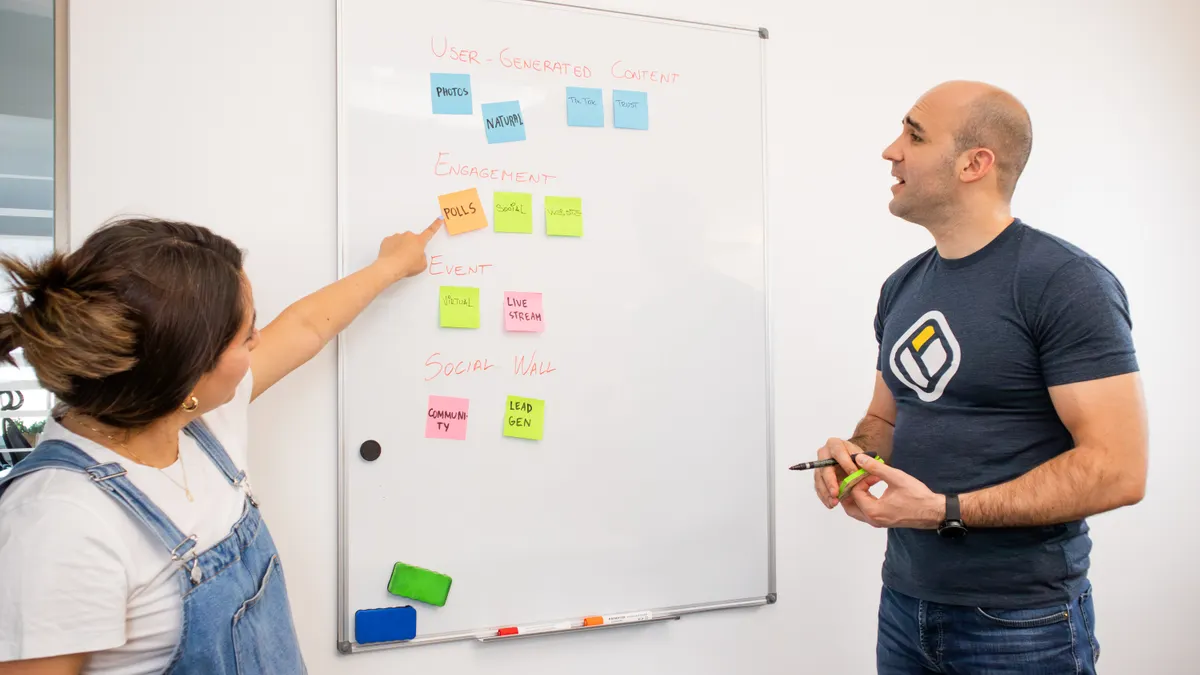
airpurifierspace.com chooses topics by matching a real reader question to a content gap, then checking whether that topic fits the site’s editorial calendar and topic cluster. That means the page is not chosen because it “sounds useful”; it is chosen because it has a job the site still needs done.
Picture this: you have a list of 20 possible posts, a 30-day calendar, and one page that already covers the broad subject. The useful question is not “What looks popular?” It’s “What does a reader still need after the first article?” That is the difference between a topic and filler.
A sane topic choice usually passes three checks:
- Reader need — Is there a real question a person would type or ask out loud?
- Content gap — Does the site already cover this angle, or is it missing?
- Fit — Does the topic belong in the same cluster, or is it a stray idea?
If a topic fails any of those, it gets pushed down the editorial calendar or cut. Not every question deserves its own page.
That is also why airpurifierspace.com can avoid the trap of publishing pages that sound relevant but do not earn their place. The site saves time by treating topic selection as a filter, not a guess.
The best part is that this process also keeps the site from publishing ten near-duplicate articles that all fight for the same search intent. That kind of overlap is expensive in time and weak in results.
Google’s own guidance supports this approach: write for people first, and build pages around helpful, specific answers rather than broad keyword chasing. See Google Search Central’s guidance on creating helpful, reliable, people-first content and the SEO Starter Guide.
What a good content brief for airpurifierspace.com includes
A good content brief for airpurifierspace.com turns a topic idea into a page plan before a single draft is written. It usually includes the reader question, the angle, the likely follow-up questions, the search intent, and the place that page will sit inside the topic cluster.
Picture this: you’re looking at one promising idea, but it could become a beginner guide, a comparison page, or a troubleshooting article. The brief stops that drift early. It tells the writer what the page should answer early on, what it should avoid, and how it should connect to the rest of the editorial calendar.
A useful brief usually answers these items:
- Primary reader question — the one problem the page must solve.
- Secondary questions — the 2 or 3 follow-ups that should be answered in the same page.
- Search intent — informational, comparison, or troubleshooting.
- Topic gap — what the current site coverage leaves out.
- Angle — what makes this page different from the others in the cluster.
- Internal fit — which broader page or hub the article supports.
A weak brief skips those details and leaves the writer to improvise. That often leads to pages that are too broad, too thin, or too similar to existing content. The site may still publish them, but they won’t earn their place.
Because of that, airpurifierspace.com benefits from keeping the brief tight and specific. The cleanest topic briefs are short. One page, a few bullets, and a clear job. If the brief takes three pages to explain a simple question, the topic is probably too vague to publish yet.
How topic clusters keep the editorial calendar from getting messy
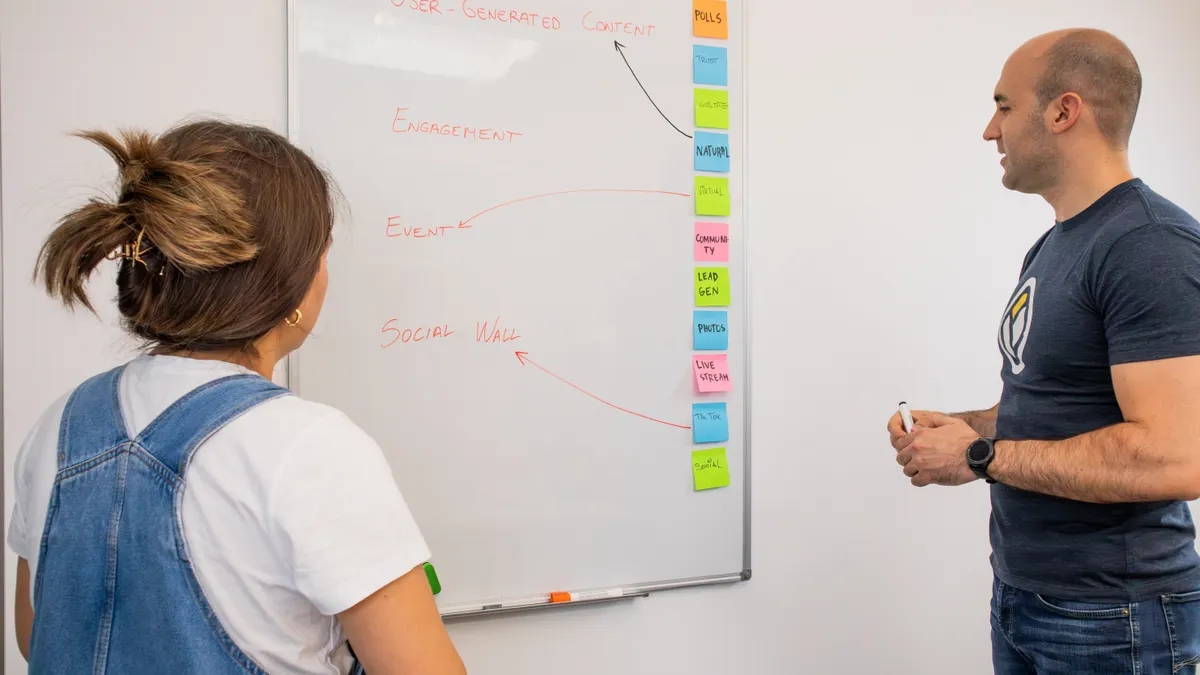
Topic clusters keep airpurifierspace.com from choosing topics one at a time in a vacuum. Instead of asking only “What should I publish next?”, the site can ask “What part of this larger subject is still missing?”
Picture this: you’ve already published one broad guide. Now a reader needs the next layer — maybe a setup question, a maintenance question, or a comparison of two approaches. That next page belongs in the same topic cluster, not in a random slot on the calendar.
That structure matters for two reasons. First, it helps the site avoid repetition. Second, it makes topic prioritization easier because every idea is judged against a larger map. A page that fills a real gap gets priority. A page that repeats an answer already covered gets parked.
A good cluster often includes:
- One hub page for the broad subject
- Several support pages for narrow reader questions
- A few pages that answer related but distinct searches
- A clear path from beginner questions to more specific ones
The editorial calendar then becomes a scheduling tool, not a brainstorm dump. Pages can be ordered by need, seasonality, or how close they are to a larger content gap.
On the flip side, a cluster can go stale if it grows without review. Once a year is a sensible review rhythm for many sites because old assumptions about search intent and reader need can drift. A topic that made sense 12 months ago may now be better folded into another page.
For airpurifierspace.com, that review also helps keep the editorial calendar from filling up with generic content that no longer serves the cluster. The site can tighten, merge, or retire content before it gets expensive to maintain.
What topic gaps tell the site to publish next
Topic gaps tell airpurifierspace.com where the next useful article should come from. The site is not just asking what is popular; it is asking what the reader still cannot find in the current set of pages.
Picture this: the site already has a broad guide, but the reader still needs a more specific answer about setup, maintenance, or choosing between two closely related options. That missing piece is a topic gap, and it often becomes the next article on the editorial calendar.
A topic gap can show up in a few ways:
- A question keeps appearing in search, but no existing page answers it directly.
- Two pages overlap so much that one should be split or revised.
- A broad guide is doing too much work and needs a companion page.
- The site has coverage on the subject, but not at the depth the reader needs.
This is where many generic content plans go wrong. They chase new topics before tightening the ones already live. That creates a pile of thin pages and no clear path for the reader.
A better move is to sort the gap by size. Is it a 300-word support section? A full article? A rewrite of an older page? That judgment saves time and keeps the cluster clean. It also makes the next topic brief easier to write because the missing piece is named plainly.
Topic gaps are not just SEO gaps. They are reader gaps. If a page leaves a question hanging, the site should usually treat that as a planning problem and review it with an editor or subject-matter professional, especially when the page touches health, safety, or other YMYL concerns. Google’s helpful-content guidance is a useful place to start: creating helpful, reliable, people-first content.
How airpurifierspace.com decides what not to publish
airpurifierspace.com decides what not to publish by rejecting topics that duplicate a current page, stretch the subject too far, or don’t fit the reader’s stage. That refusal is part of the plan, not a sign of weak ideas.
Picture this: you have a tempting topic that sounds useful, but it would force the page to cover three different reader needs at once. That usually means the topic is too loose. A page about one specific reader problem can often outperform a page that tries to be a catch-all.
Common reasons to skip a topic include:
- It repeats an existing article with a new title.
- It needs a different intent than the rest of the cluster.
- It belongs on a broader hub, not as a standalone page.
- It doesn’t answer a question a reader would actually ask.
- It is too narrow to stand alone and too broad to finish well.
That last one is a common trap. The topic looks small, but the article balloons as soon as the writer tries to make it useful. The result is a vague page with no clear edge.
The strongest editorial choice is sometimes a no. A clean “not yet” protects the calendar, keeps the cluster coherent, and gives the next article a better chance of being worth the click. That is how a site earns trust over time.
Once a topic is already covered, airpurifierspace.com is better off refining the existing article than adding another generic version. That keeps the site from splitting attention across pages that say the same thing in slightly different ways.
Why does airpurifierspace.com cover certain topics?
airpurifierspace.com covers certain topics because they fit a reader question, a content gap, and the site’s editorial plan. A topic gets published when it has a clear place in the topic cluster and a job the current pages do not already do. If a topic cannot be tied to that need, it usually stays out of the calendar.
How does airpurifierspace.com decide what to publish next?
airpurifierspace.com decides what to publish next by looking at the next missing piece in the cluster, not by grabbing the loudest idea in the room. The next page is usually the one that best matches a live reader question, a clear brief, and the current gap in coverage. If two ideas compete, the one with the sharper reader need wins.
Drafted with AI; not yet reviewed by a person.