airpurifierspace.com page types explained
Airpurifierspace.com page types explained: airpurifierspace.com page types are the site’s main content formats: pillar page, cluster article, how-to page…

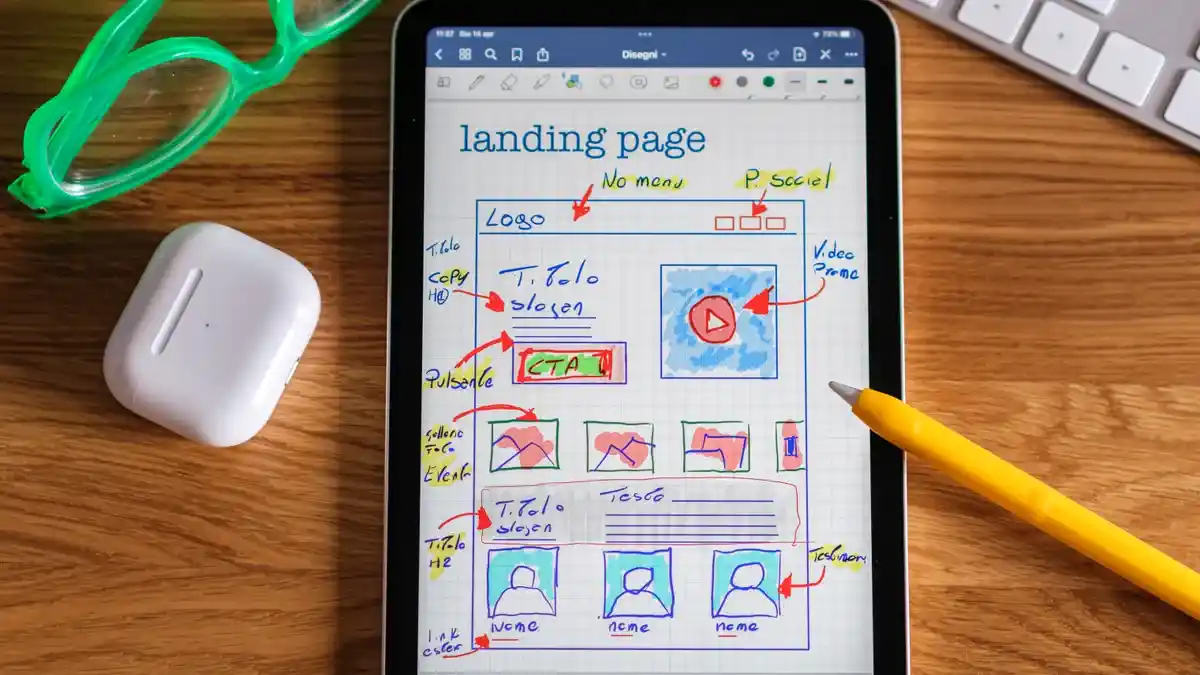
website wireframe sketch on paper
Last updated: November 13, 2026
airpurifierspace.com page types are the site’s main content formats: pillar page, cluster article, how-to page, comparison page, and review page.
A quick map helps here. This guide shows what each type does, how they fit together, and which page answers which kind of reader question.
Key Takeaways
- Pillar pages hold the broad topic and point to narrower pages.
- Cluster articles fill in one narrow question or task.
- How-to pages walk through a process step by step.
- Comparison pages help you sort options side by side.
- Review pages judge a single product or model against a set of points.
- The site structure works best when one page has one job.
- This page fits the wider site structure and navigation hub without repeating its full map.
What airpurifierspace.com page types actually are

airpurifierspace.com page types are the format choices that decide what a page is for, how deep it goes, and where it sits in the content system. A pillar page covers the broad subject, while a cluster article handles one slice of that subject in more detail.
You land on a site and need orientation fast? Then the pillar page is usually the first stop, not a narrow article with one trick question.
The main formats on this site are:
- Pillar page — the broad, central page for a topic
- Cluster article — a supporting page built around one subtopic
- How-to page — a process page with steps, tools, or actions
- Comparison page — a page that weighs two or more options
- Review page — a page that judges one product, model, or setup
Each format works best in its own lane. A comparison page should not read like a general guide, and a review page should not try to cover every related question. Keep those jobs separate, and the site gets easier to scan, easier to expand, and less of a mashup.
A simple rule helps: if the page needs to answer “what is this?” it is probably a pillar or cluster page. If it needs to answer “how do I do it?” it is a how-to page. If the real question is “which one should I pick?” then comparison or review territory is the better fit.
How the pillar page fits the site
The pillar page is the top-level page that holds the broad topic together. It gives the reader the map, the terms, and the route to the deeper pages without trying to do every job itself. Honestly, that restraint is the point.
You arrive with a fuzzy search like “air purifier basics” and need the fast route to a specific answer. The pillar page is where the trail starts, not where it ends.
A pillar page usually does three things well:
- Frames the topic so a new reader knows what the site covers
- Points to cluster articles that handle narrower questions
- Keeps the structure stable so new pages have a clear home
It should not be stuffed with every detail. A pillar page that tries to act like a 3,000-word glossary, a buying guide, and a troubleshooting page at once becomes hard to use. Better to keep the pillar broad and let the cluster pages carry the detail.
Pillar pages can also help search engines understand the site’s structure. They act like a central shelf label. If the site later adds a guide on filters, a comparison on models, or a review of a specific product, those pages can hang off the pillar without confusing the reader. That is tidy, and tidy usually wins.
That also explains why the pillar page belongs to the site structure and navigation hub. It is the anchor, while the other page types are the spokes.
What is a cluster article on airpurifierspace.com?
A cluster article is a narrow supporting page that answers one specific question or covers one small slice of the topic. It is the page you click when the pillar page tells you, “This deserves its own room.”
Already know the main topic? Then you probably want one tight answer, not the whole map again. A cluster article gives you that answer in a smaller package.
Cluster articles usually do best when they focus on one of these:
- one feature
- one problem
- one comparison angle
- one step in a process
- one user question
That focus matters. A cluster article on a topic like filter replacement should not drift into product rankings, troubleshooting, and shopping advice all at once. Once the page starts covering three or four unrelated intents, it stops being a cluster page and starts becoming a catch-all.
Here is the catch: cluster articles are not “smaller” because they matter less. They are smaller because they are more precise. A reader who searches a narrow phrase wants the exact answer without hunting through a broad overview first. The whole thing snaps into place faster that way.
A practical sign you are looking at a cluster article is this: it can often be summarized in one sentence, but that sentence leads to a more useful explanation below it. That is the sweet spot. Tight enough to be useful, broad enough to solve the reader’s real question.
How-to page vs comparison page: what changes?
A how-to page teaches a process, while a comparison page helps you choose between options. That difference sounds small until you write the page—and then it changes almost everything about the structure.
You want to replace a filter, clean a unit, or set up a device correctly? A how-to page gives you steps, order, and expected results. A comparison page gives you trade-offs, differences, and a decision path.
A how-to page usually includes:
- a starting condition
- the tools or setup needed
- ordered steps
- what should happen at each step
- common mistakes and fixes
A comparison page usually includes:
- two or more options
- the key differences that matter
- who each option suits
- the trade-offs you give up with each choice
- a clear recommendation for different needs
One page answers “do this,” and the other answers “pick this.” Mixing them is a common mistake. It makes the reader work twice as hard and often leaves both jobs half-finished.
The cleanest version is simple: if the reader already owns the thing and needs to act, use a how-to page. If the reader is still deciding between choices, use a comparison page. On airpurifierspace.com, that split keeps the content from blurring into one long page that nobody can skim. Good luck skimming a swamp.
Where review pages belong
A review page belongs when the site needs to judge one product, model, or setup on its own terms. It is not a place for a broad overview, and it is not the same as a comparison page with two boxes shoved together.
You want a verdict on a single option before you spend money? A review page should tell you what stands out, what gets in the way, and who should skip it.
A useful review page usually has a tight frame:
- what the item is
- what it does well
- what it does poorly
- who it fits
- who should skip it
That “who should skip it” line matters. A review without drawbacks is just sales copy in disguise. Readers trust a page more when it names the bad fit plainly.
Review pages can work well beside comparison pages, but they are not interchangeable. A review page is about one item in depth. A comparison page is about decision-making across several items. If the site has both, the reader can move from “which one?” to “is this one actually worth it?” without repeating the same content.
A review page also needs a sharper point of view than a how-to page. The goal is not to explain a process. The goal is to judge whether the thing earns its place.
How the formats work together without stepping on each other
The page types work best when each one owns a different question. The pillar page sets the frame, the cluster article narrows the topic, the how-to page explains action, the comparison page sorts options, and the review page gives a verdict.
Building a content system means more than stacking pages. The system works when each page type answers one distinct reader job and passes the reader to the next page only when needed.
A simple content chain looks like this:
- Pillar page explains the broad subject
- Cluster article answers a narrow follow-up
- How-to page shows how to do the task
- Comparison page helps the reader choose between options
- Review page decides whether one option is worth it
The point is not to create more pages for the sake of it. The point is to keep each page from swallowing the others. A site with one page that tries to be everything usually loses the reader before the first useful section ends.
Internal links matter here in concept, even if the exact links are added later. The pillar page should point to the relevant cluster pages. The cluster pages should point back up to the pillar or sideways to a related how-to or comparison page where that helps the reader.
One useful standard: if a page can be removed without leaving the reader lost, it probably was not a strong page type. If removing it would break the path from broad question to exact answer, it was doing real work. That is the difference between filler and function.
How to tell which page type you need
The right page type is the one that matches the reader’s main task. If the question is broad, use a pillar page. If it is narrow, use a cluster article. If it is procedural, use a how-to page. If it is a choice, use a comparison or review page.
You are planning a new page and do not want to spend 1,200 words in the wrong shape? Name the reader’s job in one plain sentence, then pick the format that fits that job. Simple test. Harder in practice.
Use this quick check:
- “What is this site about?” → pillar page
- “What does this one subtopic mean or cover?” → cluster article
- “How do I do this?” → how-to page
- “Which option should I choose?” → comparison page
- “Is this one option any good?” → review page
A common mistake is choosing the format based on the keyword alone. The keyword tells you what the reader typed; the page type tells you what the reader needs next. Those are not necessarily the same thing.
A search can sound broad but still hide a narrow task. Another search can sound specific but actually need a comparison before it makes sense. So page type matters more than a loose label; that is where the clean thinking starts.
The practical win is simple: once the format is right, the heading structure gets easier, the page stays tighter, and the reader gets to the answer faster. That is the whole point.
What types of pages does airpurifierspace.com publish?
airpurifierspace.com publishes pillar pages, cluster articles, how-to pages, comparison pages, and review pages. Each one serves a different job in the site’s content system, so the site can cover broad topics and narrow questions without mixing them together.
What is the difference between a hub and a spoke page on airpurifierspace.com?
A hub page is the broad, central page that organizes the topic, while a spoke page covers one narrower part of that topic. The hub gives the map; the spoke gives the detail. In practice, that means the hub is usually a pillar page, and the spoke is usually a cluster article, how-to page, comparison page, or review page.
Drafted with AI; not yet reviewed by a person.