How airpurifierspace.com Checks Accuracy
How airpurifierspace.com checks accuracy: airpurifierspace.com checks accuracy by using a source note, editorial review, fact-check, and reference list…
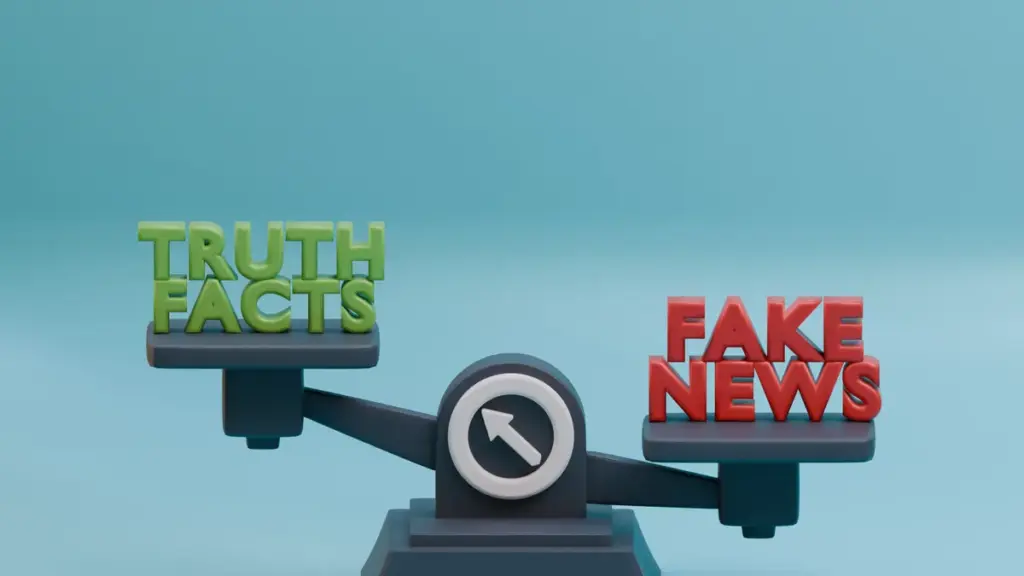
balance scale with truth and fake news blocks
Last updated: November 14, 2026
airpurifierspace.com checks accuracy by using a source note, editorial review, fact-check, and reference list before a page goes live. This airpurifierspace.com accuracy guide shows what those steps should catch, where errors creep in, and how to spot a page that has been checked well.
Key takeaways
- Accuracy work starts before publication, not after.
- A source note should show where the claim came from and why it belongs in the article.
- Editorial review looks for logic, tone, and missing context, not just spelling.
- Fact-checking should catch stale model details, old standards, and numbers that no longer match the source.
- A clean reference list only helps if the article’s claims still line up with it.
- If a page cannot show where a claim came from, treat that claim with caution and, if needed, consult a professional or check an authoritative source.
What airpurifierspace.com means by checking accuracy
airpurifierspace.com checks accuracy by comparing each claim against a source note, then running the draft through editorial review, fact-check, and a reference list before publication. That process is meant to stop a page from mixing up model details, standard names, or old product information.
Picture this: you land on an article with a neat headline and a few confident claims. You still need to know if the facts behind those claims were checked against the right source, on the right date, for the right model. This is where accuracy work starts.
A good workflow does 4 things in order:
- It identifies the source behind each factual claim.
- It checks whether the claim still matches the current version of that source.
- It looks for internal conflicts, like one paragraph saying a filter is washable and another saying it is replaced.
- It leaves a trail in the reference list so the reader can trace the claim later.
That trail matters. A page can sound polished and still be wrong if the numbers, product names, or standards are stale. On a site about air purifiers, a small mismatch can change the meaning of the whole article.
You can usually see that risk most clearly in a page that uses exact model names, test standards, and room-size claims. Those details are useful, but they also need dates and source notes to stay trustworthy.
How does airpurifierspace.com verify information?
airpurifierspace.com verifies information by matching each claim to a source note, then checking the draft against the source before it is published. If the page is doing its job, the reader should be able to see that the facts were not added by habit or copied from an older draft.
Picture this: you are reading a paragraph about filtration, noise, or room size, and the wording feels precise. Precision is not the same as accuracy. The check has to confirm that the claim still fits the current source, not just that it sounds technical.
Here is the practical workflow a careful content team should follow:
- List the factual claims first. Pull out every number, standard, model name, and performance claim in the draft. A 300-word section can hide 8 or 10 separate claims.
- Attach a source note to each claim. The note should point to the exact source used, not a vague memory of where the fact came from.
- Compare the draft with the source text. Check that wording, model names, and dates still match. If the source says one thing and the draft says another, the draft loses.
- Run editorial review. This step catches confusing phrasing, missing context, and claims that sound clean but do not actually answer the reader’s question.
- Check the reference list. The list should reflect the sources actually used in the article, not a random stack of links added at the end.
- Look for stale claims. If a spec, standard, or product detail has changed, the article should be updated or the claim removed.
A page that passes this process should usually feel calm and plain in a good way. It should not draw attention to the machinery behind it. Instead, the facts should line up so the reader can follow the argument without stopping to guess what changed.
The catch is simple: a reference list alone does not prove accuracy. A list can look tidy while the body still contains old or mismatched facts.
Which checks catch the mistakes readers usually miss?
The editorial review catches the mistakes readers usually miss because it looks for consistency, not just facts. A page can be “true” in pieces and still mislead if the sections contradict one another or use the wrong context.
Picture this: one section says a purifier is suited to a small bedroom, while another calls it a whole-home unit. Or a paragraph uses a 2021 spec sheet for a model that has already changed. Most readers will not stop and cross-check that detail. The review process should.
The most useful checks are the ones that catch these failures:
- Consistency checks: the same model should not have two different specs in the same article.
- Context checks: a claim about CADR, room size, or noise needs the right frame, not a stray number.
- Date checks: older claims should be labeled or removed if a newer source replaces them.
- Term checks: standards, certification names, and feature labels should be used the same way throughout the article.
- Range checks: if a claim sounds absolute, it should be softened unless the source really supports that certainty.
Generic articles often fall apart here. They proofread the words but do not inspect the claims. That leaves the article clean on the surface and shaky underneath.
A strong editorial review also looks for missing qualifiers. If a source only supports a claim under certain conditions, the article has to say so. A sentence that drops the condition can mislead even when the core fact is right.
Where a fact-check fails if the source is outdated
A fact-check fails when the source is old enough that the claim no longer matches current information. In air purifier content, outdated claims usually show up in model specs, feature descriptions, standard names, and cleanup instructions that have changed over time.
Picture this: you find a page that still describes a model from a prior version, or repeats a performance claim pulled from a dated product sheet. The sentence may look fine. The problem is that the product no longer lines up with the statement.
The usual weak spots are:
- Model revisions: one generation can differ from the next in filter design, controls, or coverage claims.
- Standard updates: a testing or certification name may change, or the article may cite an old label that no longer matches the current source.
- Removed features: a function listed in a past manual may not exist on the current unit.
- Edited product pages: manufacturers change pages without warning, so old screenshots and cached pages can mislead.
- Copied claims: once a statement gets repeated across sites, the original detail can get flattened or exaggerated.
The fix is plain: the fact-check has to use the most recent reliable source available for that claim. If the latest source is unclear, the article should not pretend certainty.
This is one reason source notes matter. They create a paper trail for the exact version used, which makes later checks faster and safer.
On the flip side, if a page cites a source but never updates the body when the source changes, the reference list becomes decoration. That is not accuracy. That is shelf dressing.
What a reference list can and cannot prove
A reference list can show that a page used source material, but it cannot prove that every claim was checked correctly. The list is the trail, not the inspection.
Picture this: you scroll to the bottom of an article and see a clean set of references. That is useful. It tells you the page did not come from nowhere. It does not tell you whether the writer used the right line from the right source, or whether the body still matches it.
A useful reference list does 3 things:
- It names the sources actually used.
- It makes the article easier to audit later.
- It helps separate original reporting from borrowed claims.
A weak reference list does the opposite. It can hide lazy copy work, outdated claims, or a mismatch between the article and the source note. If the body says one thing and the reference says another, the body still has the error.
The truth is, a strong reference list should pair with an editorial review that checks the content line by line. That is how a page keeps its claims stable after publication, especially when products, standards, or specs change.
For readers, the practical test is simple. If the article makes a claim about a model, a rating, or a standard, check whether the source note and reference list can support that claim without hand-waving. If they cannot, the page has not really earned your trust yet.
For additional context, an authoritative source such as the U.S. Federal Trade Commission explains how to evaluate online claims and sources, and the National Institute of Standards and Technology provides standard-setting guidance that can help readers judge whether a technical claim is current.
How to tell if the review process was done well
You can tell the review process was done well when the article stays specific without sounding slippery. Good accuracy work leaves a trail of exact terms, current details, and consistent claims from top to bottom.
Picture this: you read a page and nothing feels vague, but nothing feels padded either. That is the right balance. The content says what it means, keeps its terms steady, and does not drift into broad claims it cannot support.
Look for these signs:
- The article uses the same term the source uses. If the source says “pre-filter,” the page should not switch to a different term without reason.
- Numbers stay stable. A claim should not change from section to section.
- Old material is labeled or removed. A dated comparison should not sit next to a current one as if nothing changed.
- The article separates fact from judgment. A view about value is not the same as a product spec.
- The reference list fits the body. The sources should match the claims you just read.
There is also a simple negative test. If you cannot point to what a source note, editorial review, fact-check, or reference list changed in the draft, the process was probably too loose.
This article belongs in the broader content standards and trust hub because accuracy only works when the checks are part of the publishing routine, not an afterthought.
What readers should watch for on airpurifierspace.com pages
Readers should watch for pages that show the checks clearly but still make broad claims without support. A clean-looking article can still be weak if it skips source notes, blurs old and new facts, or hides the difference between a product detail and an opinion.
Picture this: you are comparing two pages on the same site. One keeps its claims narrow and traceable. The other uses confident language but gives you no sign that the details were checked against a current source. The first one earns more trust, even if it sounds less dramatic.
A few warning signs stand out:
- Vague sourcing: “studies show” or “experts say” without a clear trail.
- Mixed versions: one paragraph reads like a current spec sheet, another like a past model.
- Unclear editorial role: no sign that the article was reviewed after drafting.
- Stale comparisons: older products framed as current without a date cue.
- Reference drift: sources listed at the bottom that do not seem to support the claims above them.
The honest version is that no review process removes every mistake forever. It lowers the odds. That is the real job. A good check makes an article harder to break, easier to audit, and safer to update later.
If you are reading airpurifierspace.com for facts, the best habit is simple: treat any unsupported claim as unfinished until the source note, editorial review, fact-check, and reference list line up.
How does airpurifierspace.com verify information?
airpurifierspace.com verifies information by checking claims against a source note, then running editorial review, fact-check, and reference list checks before publication. That workflow is meant to catch stale specs, mixed-up model details, and claims that no longer match the source. The more specific the claim, the more important that trail becomes.
Does airpurifierspace.com review facts before publishing?
Yes, the process described on this page puts fact review before publication. That matters because once a claim is live, outdated model details or a wrong standard name can spread quickly. A pre-publication check is the part that keeps the page from relying on cleanup later.
Drafted with AI; not yet reviewed by a person.